Safe Dog Walking: 7 Expert Habits Every Owner Should Know
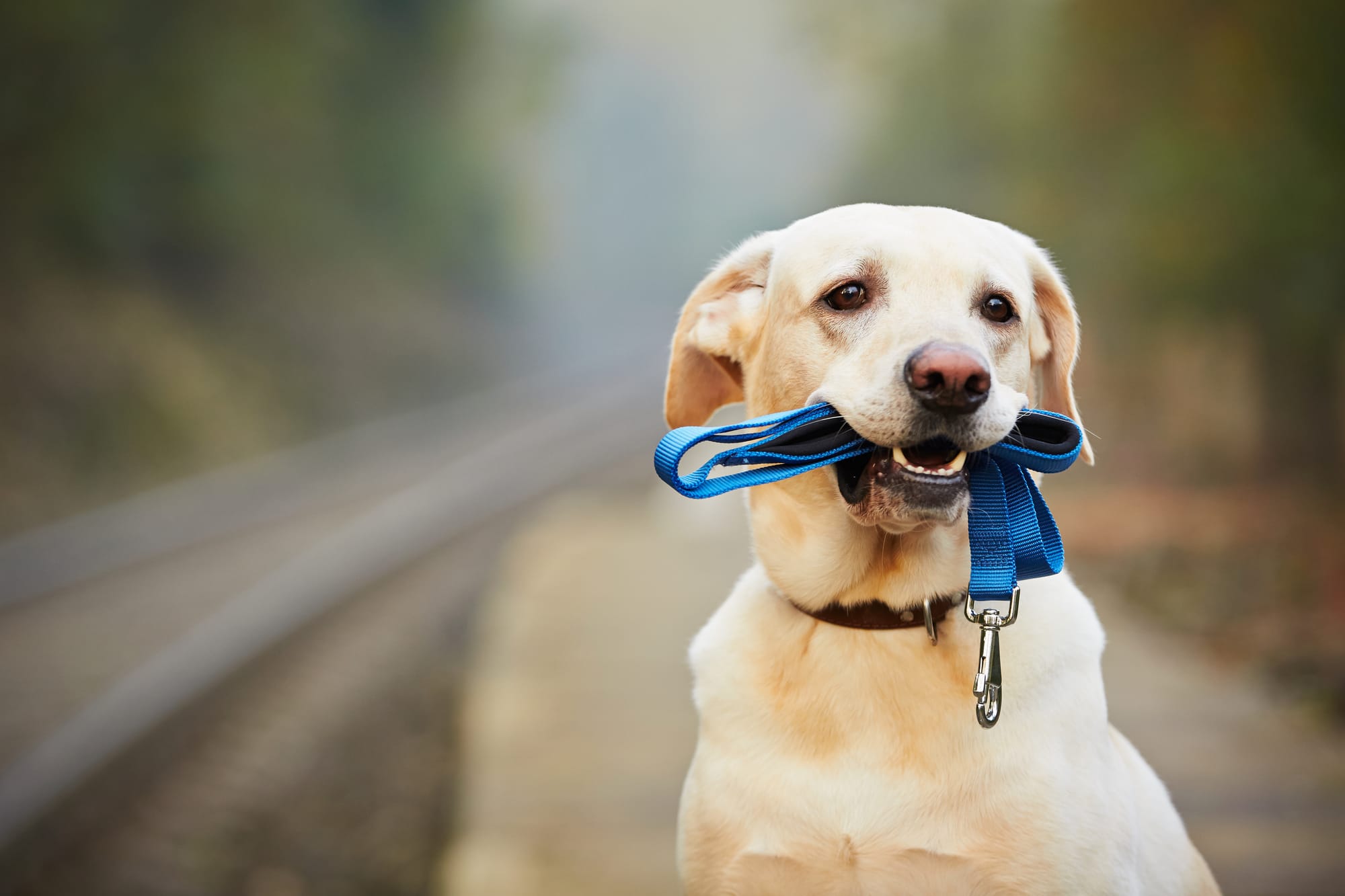
Safe dog walking is not only about avoiding emergencies. It also means spotting small risks early so the walk stays calm and enjoyable for both you and your dog. At Sauro Active Paws, we focus on choosing the right equipment, planning routes that suit your dog, and staying aware of weather and surfaces. We emphasize handling the lead in a way that reduces pressure instead of adding it. Our experience shows that owners who build these habits steadily make accidents less likely and everyday walks much easier.
Safe Dog Walking Starts With the Right Equipment
We know that collars, harnesses, leads, long lines, and tags each solve different problems. The safest option is the one your dog can wear comfortably while you maintain clear control. A dog that slips backwards when frightened needs a different setup from a dog that lunges forwards at pigeons. Poorly fitted gear creates rubbing, escape risk, and frustration long before anything dramatic happens.
We recommend considering these equipment options:
- Y-front harnesses: These typically cost between £20 and £40 and distribute pressure across the chest rather than the throat.
- Standard flat collars: Ideal for displaying identification tags.
- Fixed-length leads: These provide consistent communication and control.
- Long lines: Useful for practicing recall in open, safe spaces.
Check equipment with your hands, not just your eyes. Buckles loosen, stitching frays, clips stick, and lead handles crack. These failures usually happen on ordinary days, not only in extreme situations. A thirty-second inspection before leaving the house is one of the most reliable habits for safe dog walking. It removes preventable surprises from the route.
If your dog is young, recently rescued, or still learning to settle outside, keep the setup simple. Extra gadgets can give owners a false sense of security. Clean fit, clear handling, and enough connection often beat complicated equipment that nobody has practiced using under pressure.
Do not forget identification. A readable tag, up-to-date contact details, and a working microchip record are part of walking safety even though they sit quietly in the background. Under UK law, dogs must wear a collar and tag displaying the owner's name and address when in a public place. These details matter most on unexpected days, which is why they should be checked before anything goes wrong.
Read the Route Before Your Dog Reacts
At Sauro Active Paws, our walkers always scan ahead. They notice bins, broken glass, scooters, loose dogs, delivery vans, and school gates before the dog reaches them. That extra few seconds lets you cross the road, shorten the lead calmly, or turn into a quieter lane before the situation becomes stressful. The dog experiences the change as smooth guidance rather than sudden restraint after the trigger is already close.
Route reading matters even more in dense urban areas like London, where narrow pavements, bus stops, and blind corners can compress space quickly. A calm dog may cope well until three fast changes happen in one minute. When we plan the walk in small sections instead of thinking only about the destination, the whole outing becomes safer and more predictable. This is a core part of safe dog walking that many people overlook.
Think about transitions as well. Park gates, narrow paths, car park entrances, and water edges tend to compress attention because several things happen at once. When you slow down before those pinch points, the dog has more space to stay organized and you have more time to adjust.
Keep the Lead Relaxed and Informative
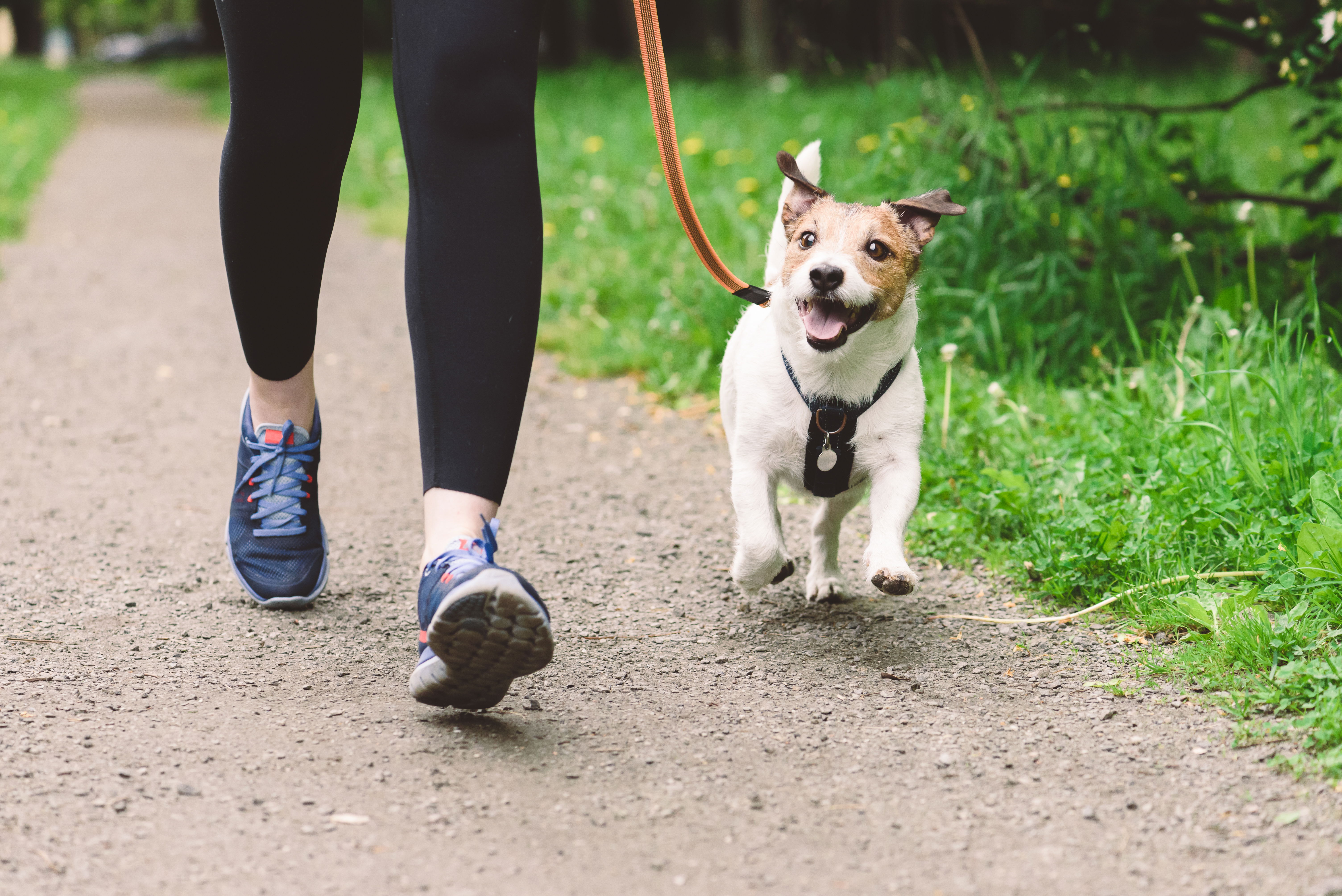
Many risky moments begin with a lead that is either too loose to offer guidance or so tight that the dog cannot move naturally. The safest approach is a lead that communicates clearly. It should allow comfortable movement while still giving you the ability to redirect early. Constant tension teaches opposition. Consistent information teaches cooperation.
This becomes vital near roads, cyclists, and entrances where the dog may need quick support. Safe dog walking does not mean keeping the dog in a strict heel for an entire hour. It means adjusting your handling as the environment changes. Loose lead where possible, shorter lead where necessary, and immediate release when the pressure point has passed.
Grip and body position matter too. If the lead is wrapped awkwardly around your wrist or held while carrying coffee, a small surprise becomes harder to manage. Simple, prepared handling is safer than reacting late with force once the dog is already moving.
Consider Weather and Physical Fatigue
Heat, ice, grit, rain, and rough ground alter risk more than many owners expect. Hot pavement can burn pads dangerously fast. When the air temperature reaches just 25°C, asphalt can climb above 50°C, enough to cause paw burns within sixty seconds.
We suggest following these safety steps for extreme weather:
- The Seven-Second Test: Place the back of your hand on the pavement for seven seconds; if it is too hot for you, it is too hot for them.
- Paw Inspections: Check for salt or grit irritation during winter months.
- Hydration Breaks: Ensure water is available during summer outings.
- Visibility Gear: Use reflective attachments during early evening walks.
Wet leaves on slopes can send an excited dog sideways. Even a fit dog may lose focus when cold rain, mud, and urban noise all combine. Safety improves when owners adjust pace, route length, and expectations to the conditions instead of trying to complete the usual circuit at any cost.
Fatigue also changes judgment. Dogs who are tired from travel, visitors, poor sleep, or previous exercise are more likely to make sloppy decisions. The answer is not always to rest indoors. Sometimes it is an easier route with more sniffing, fewer greetings, and a clean finish before the dog tips over the edge.
Summer brings hot slabs and dry grass seeds that burrow into paws and ears. Winter brings road salt, which can irritate pads and cause stomach upset if licked. A route that feels easy in one month may need a different plan in the next, even with the same dog.
Manage Dog and Human Interactions
Not every dog should greet every dog. One of the strongest safety skills we practice is being able to say no to unnecessary interactions. Loose dogs, tight leads, and friendly assumptions create conflict very quickly. Ask yourself whether the greeting helps your dog at that moment. If the answer is uncertain, move on. Being confident in that decision protects both dogs and prevents stressful encounters from repeating.
The same logic applies to people who reach towards the dog, children who run up, or owners who want an on-lead meeting in a cramped space. Polite refusal is part of safe handling. Social skill is not measured by how many greetings happen on a walk. It is measured by how well the dog stays composed before, during, and after contact.
A calm turn away is often the safest option. You do not need to justify declining a greeting when the space is poor or the other dog looks pushy. Clear decisions protect your dog far better than polite hesitation.
End the Walk Calmly and Predictably
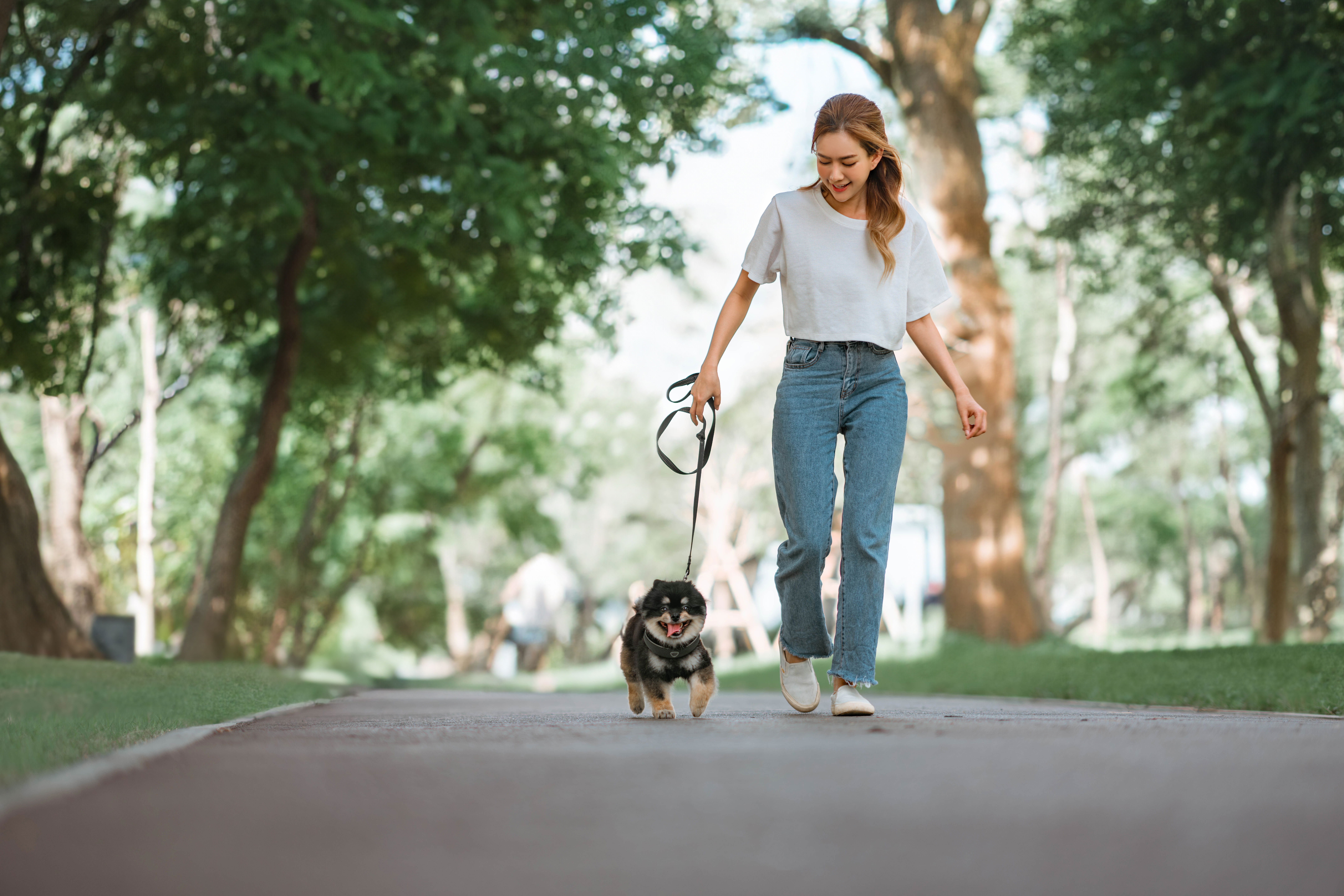
The end of the outing matters. Rushing home, unclipping immediately, and expecting instant calm can leave the dog carrying momentum into the house. A better finish includes a slower final minute, a consistent entry routine, and a brief pause before food or play. That landing strip helps arousal drop rather than spill into barking, zooming, or scavenging.
When Local Dog Walking Services Can Improve Safety
If your current routine feels hectic, start with one or two expert habits instead of seven at once. Safe dog walking improves through repetition, not intensity. Our professional walkers at Sauro Active Paws can help structure walks depending on your dog's temperament.
We offer a variety of services to ensure your dog's safety:
- Group Walks: Best for confident, sociable dogs to encourage healthy interactions.
- Individual Walks: Ideal for nervous dogs, reactive dogs, or puppies building confidence.
- Puppy Care: Tailored sessions to help younger dogs navigate the world safely.
A professional walker can identify which risks show up most often for your dog, whether that is lead pressure, route choice, social contact, or pacing. In London, professional dog walking services typically range from £12 to £20 per half-hour walk. Owners in London who want steadier and safer outings can rely on Sauro Active Paws for extra support when daily life makes consistent walks difficult. We operate from our NW2 London base, tailoring every session to the dog's temperament and needs.
FAQ
Should I use a retractable lead in busy areas?
Usually no. Retractable leads create delayed control and sudden tension in crowded streets, making them rarely the safest choice around traffic or pedestrians.
What should I do if another loose dog runs up?
Create space early, stay calm, and avoid tightening your own lead. Use your body to block where possible and move away in an arc rather than forcing a greeting.
How can I tell if the pavement is too hot for my dog?
Use the seven-second test: press the back of your hand against the surface. If you cannot hold it for seven seconds, it is too hot for your dog's paws.
Is professional dog walking safer for busy owners?
Professional walkers help maintain routine, choose safer routes, and manage social encounters. This is especially valuable when owners have limited time during the working week.