How Often Should a Dog Be Walked? Professional Advice from A London Dog Walker
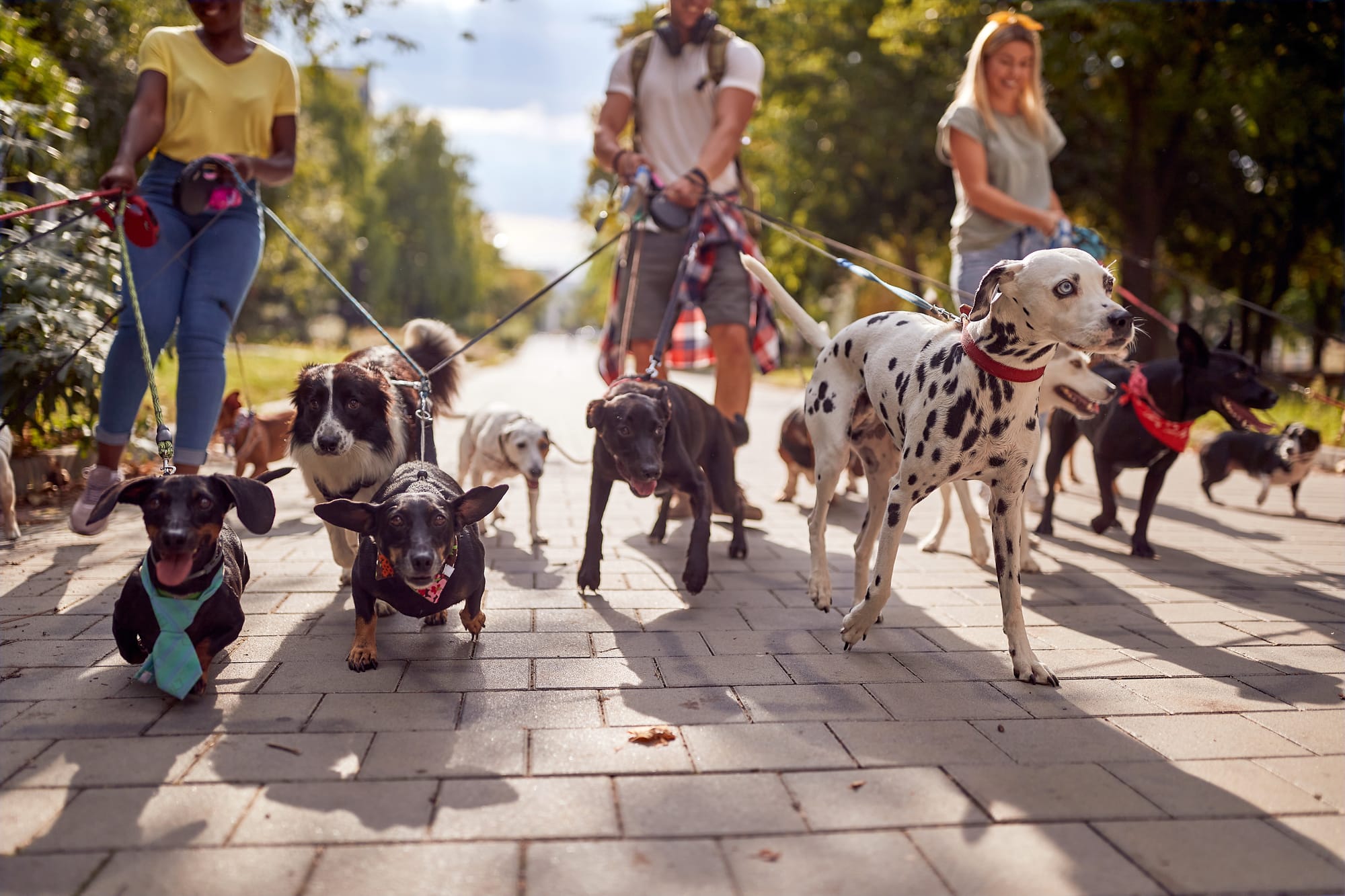
At Sauro Active Paws, we know the question of how often a dog should be walked sounds simple, but the right frequency depends on far more than enthusiasm. Dogs need chances to toilet, move, sniff, regulate arousal, and experience the outside world without overload.
For some dogs, two thoughtful walks are enough. For others, a short midday break can make a real difference because both the body and brain handle the day better when outings are spaced more evenly.
How Often Should a Dog Be Walked Based on Physical Needs
The right frequency starts with your dog's physical needs rather than a specific owner preference. Bladder control, bowel rhythm, hydration, medication, and sleep patterns all influence how long a dog can wait happily.
We find that owners sometimes focus on distance and forget that a short, calm toilet and sniff break can be the difference between an easy afternoon and mounting stress. A good dog walking routine is often about relief and rhythm before it becomes about exercise.
Age shapes this immediately. Puppies need more opportunities because their bodies are still learning control.
Our team follows these general guidelines for different life stages:
- Puppies: Around five minutes of walking per month of age, taken at least twice a day (e.g., a four-month-old puppy manages roughly 20 minutes per session).
- Seniors: Frequent access even if the walks themselves are shorter, typically 15 to 30 minutes at a gentle pace.
- Adult Dogs: Often cope with longer gaps, though work schedules, diet changes, and weather still alter the pattern.
Looking only at what the dog can tolerate on a good day leads owners to miss what the dog genuinely needs across an ordinary week. If you are wondering how often your dog should be walked, start by mapping the longest gap in your current routine.
That gap usually reveals whether the plan is fair. When dogs must wait too long, the pressure often appears as fussiness, whining, or frantic behaviour before the lead is even clipped on.
Medical needs can change timing as well. Dogs on medication, dogs with digestive sensitivity, and dogs recovering from illness may need shorter gaps between outings even if the walks themselves stay modest.
A sustainable dog walking routine is about keeping the day comfortable and predictable, not about chasing a target number that sounds impressive.
Temperament and Energy Levels Affect Dog Walking Frequency
Some dogs thrive on a substantial morning outing followed by a lighter evening circuit. Others unravel when the whole day depends on one big session.
Our professional observations show that energy levels vary by breed:
- High-energy breeds (e.g., Border Collies, Huskies): 60 to 120 minutes of daily exercise, ideally split across two or three outings.
- Lower-energy breeds (e.g., Bulldogs, Basset Hounds): 20 to 40 minutes in total.
Sensitive dogs, rescue dogs, and highly social dogs often benefit from two or three chances to reset outside rather than one event that has to do all the work. More frequent outings provide more recovery points, which can lower overall tension.
As your trusted dog walkers, we often notice these patterns more quickly because we observe many dogs across different routines. One dog returns from a long park trip and sleeps peacefully until dinner.
Another comes back excited, drinks, paces, then struggles to settle because the outing contained too much novelty without a second chance to decompress later. From the owner's perspective both dogs were walked, but from the dog's perspective only one routine truly met the need.
This is where our professional observation helps. Over a few weeks, patterns emerge.
Dogs that pull hardest at the start of the evening walk may be signalling that the daytime gap is too long. Dogs that are flat and reluctant by late afternoon may need a gentler first walk rather than more frequency.
The schedule should respond to the dog's feedback, not social media advice. A brief midday visit can therefore carry real value.
Five or ten minutes of sniffing, toileting, and calm movement can prevent the build-up of tension that later turns into frantic lead biting or over-the-top greetings. In London, a professional midday drop-in with us typically costs between £10 and £15 for a 30-minute session.
Owners sometimes dismiss short breaks because they look small on paper, but dogs often experience them as the reset that saves the rest of the day.
Building a Sustainable Dog Walking Routine
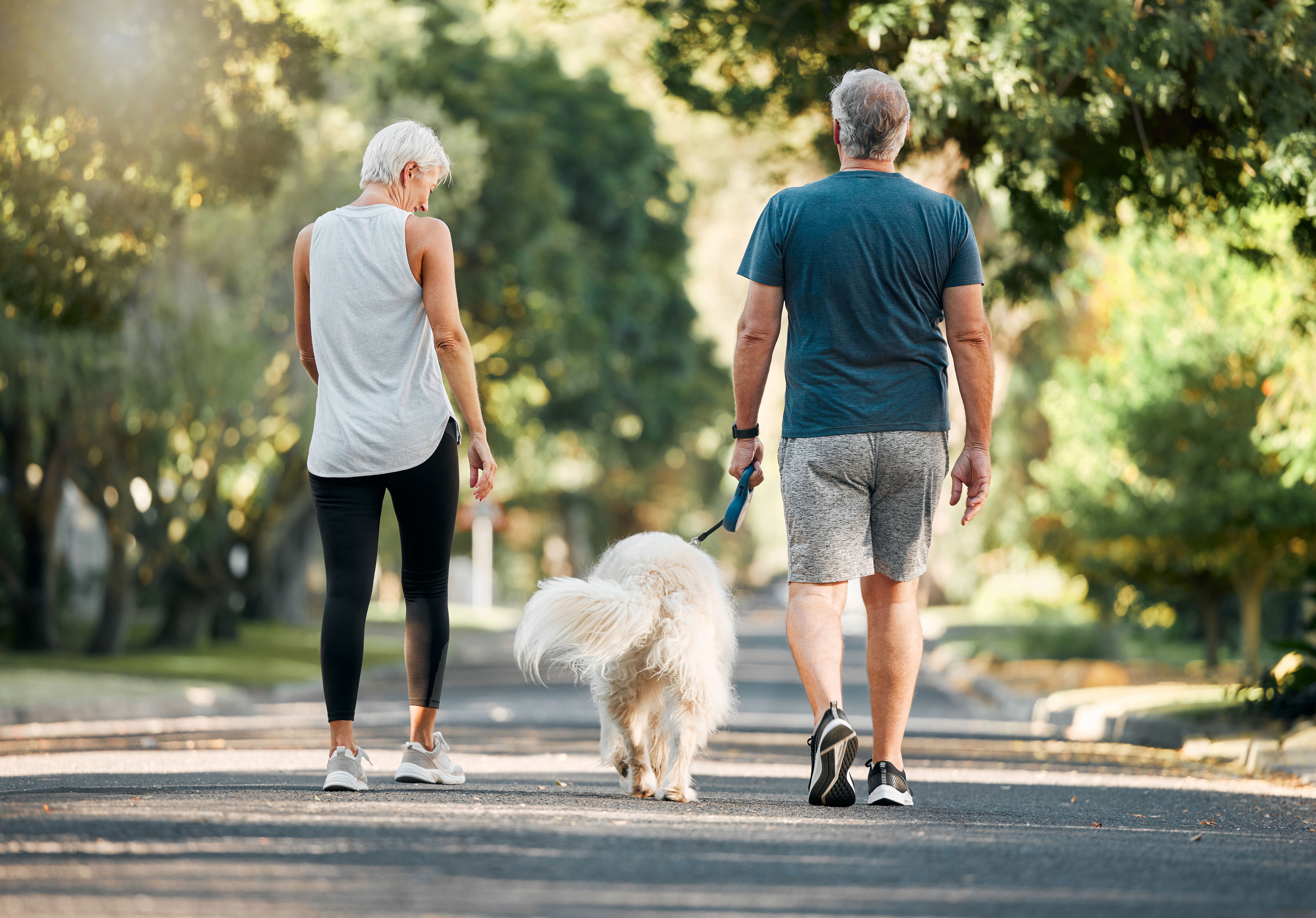
The best dog walking routine survives real life. School runs, meetings, rain, illness, and winter darkness all put pressure on a schedule.
If your dog only gets what they need on perfect days, the plan is too fragile. Build a version that works even when time is tight.
Consider this balanced approach:
- One longer decompression walk of 30 to 45 minutes.
- One shorter neighbourhood circuit of 15 minutes.
- A brief late-night toilet break.
For households with puppies, remember that how often puppies should be walked is related but not identical to adult needs. Young dogs often need more frequent trips outside, yet those trips should be shorter and more focused on confidence than mileage.
Owners who copy an adult routine too early often end up with overtired puppies that struggle to settle indoors. How often puppies should be walked depends heavily on age and development stage, as spacing and softness matter more than distance.
A realistic plan also protects relationships. Dogs relax when the day becomes predictable.
They start to anticipate relief, movement, and attention at sensible intervals. That predictability reduces pestering because the dog no longer has to guess whether the next walk is coming in thirty minutes or three hours.
Weekday and weekend patterns deserve attention too. If a dog gets three outings on Saturday and one rushed walk on Monday, the inconsistency can create more frustration than a simpler plan kept every day.
Dogs generally cope better with steady, reasonable frequency than with dramatic swings between feast and famine.
How to Tell if Your Dog's Walking Schedule Works
Good timing usually produces a simple pattern. The dog comes home, drinks if needed, checks in, and settles.
Poor timing produces residue. The dog may still look frantic, may bounce back up after a few minutes, or may become irritable with the household.
These signs do not always mean the dog needs a longer walk. Sometimes they mean the walk arrived too late, too rarely, or in the wrong format for that point in the day.
Common signs your dog may need a different walking schedule:
- Pacing or whining near the door well before walk time.
- Frantic pulling at the start of outings.
- Difficulty settling after returning home.
- Late-afternoon restlessness or destructive chewing.
- Toileting accidents despite being fully house-trained.
We recommend keeping notes for a week. Write down walk times, duration, toilet success, energy before leaving, and behaviour one hour after returning.
These observations turn vague concerns into useful, practical information that helps you adjust the routine with confidence. Those notes also show whether timing problems are creeping in gradually.
A dog that starts pacing at four o'clock each day is giving clear information about the gap, even if the evening walk still happens. This kind of pattern is easy to miss until somebody steps back and looks at the whole week.
When a Trusted Dog Walker Can Help
Owners live with their dogs every day, which is exactly why some gradual changes are hard to see. As your professional partners, we notice pace at the door, toilet urgency, how quickly the dog settles outside, and whether the final third of the walk looks easier or harder than it did a month ago.
Professional support also helps when household schedules change. New work hours, a baby, school holidays, or darker winter evenings can all shift the dog's comfort threshold.
Instead of waiting for behaviour to unravel, adjust the frequency plan early. Small, timely changes are far easier than rebuilding calm after weeks of frustration.
If you need help building or adjusting your dog walking routine, Sauro Active Paws supports owners across London with:
- Individual walks tailored to specific needs.
- Group walks for social stimulation.
- Dedicated puppy care and developmental support.
You can reach Sauro at 020 7431 2455 or at Info@sauroactivepaws.com to schedule a consultation. We will help you find out how often your dog should be walked based on their specific needs.
FAQ
Is two walks a day enough for most dogs?
For many adult dogs, yes - provided each walk is meaningful and the longest gap between outings remains manageable. Some dogs need a third short outing for toileting or decompression, especially during long workdays.
Can a garden replace one of the daily walks?
A garden helps with toilet breaks and light movement, but it rarely replaces the sensory value of going out. Most dogs still benefit from leaving the property and engaging with new smells, routes, and surfaces.
How often should puppies be walked compared to adult dogs?
Puppies need more frequent but shorter outings - roughly five minutes per month of age, at least twice daily. An adult dog typically does well with two to three walks totalling 30 to 90 minutes depending on breed and energy level.
How much does a dog walker cost in London?
In London, a 30-minute dog walk typically costs between £12 and £15. A one-hour walk ranges from roughly £20 to £35 depending on whether it is a group or individual session.