How Much Walking Does a Puppy Need? An Age-by-Age Guide

How much walking does a puppy need is really a question about growth, confidence, and restraint. Puppies can look full of endless energy one minute and completely exhausted the next. That is why good walking plans focus on quality, surface choice, recovery, and age appropriate exposure instead of trying to tire the puppy out with distance.
How Much Walking Does a Puppy Need by Age?
A widely used guideline recommended by UK vets, including the Kennel Club and Blue Cross, is five minutes of structured walking per month of age, up to twice a day. That means a two-month-old puppy should walk for roughly ten minutes per session, a three-month-old for around fifteen minutes, and a five-month-old for no more than twenty-five minutes at a time.
These figures apply to lead walking on pavements and paths, not free play in the garden, which puppies tend to regulate on their own. Understanding dog exercise by age helps us avoid pushing too hard during the early months.
Growth plates in a puppy's legs remain soft until the dog reaches maturity. This can take twelve months for smaller breeds and up to eighteen months for large or giant breeds such as Great Danes and Saint Bernards.
Overloading those soft plates with long walks or repetitive impact can lead to joint problems that show up later in life.
Why Short Walks Are Better for Young Puppies
In the earliest weeks of outdoor life, the walk is mostly about learning what the world feels like. A very young puppy can gain plenty from ten careful minutes if those minutes are calm and well paced.
Developing dogs process a massive amount of information on every outing:
- Kerbs and bins.
- Bicycles and moving leaves.
- Wet grass and friendly strangers.
Owners often underestimate how mentally tiring ordinary neighbourhood details are to a developing dog. That is why walks with a puppy should start with short, positive outings rather than ambitious routes.
Confidence grows through repetition and safe exposure, not through pushing until the puppy finally lies down. A puppy that finishes curious and comfortable is usually on the right track.
A puppy that becomes bitey, frantic, or flat afterwards may have crossed from useful stimulation into overload. When vaccinations, vet advice, and local conditions allow, we recommend thinking in terms of regular gentle experiences.
A few quality outings across the week often beat one long adventure that leaves the puppy overtired and sore. Some owners also forget that carrying is sometimes appropriate.
If the puppy becomes overwhelmed near heavy traffic or an unexpected crowd, lifting it out of the problem can protect confidence. The goal of early puppy walking is not to prove toughness. It is to help the puppy feel safe enough to learn.
How Breed and Size Affect Puppy Walking Needs
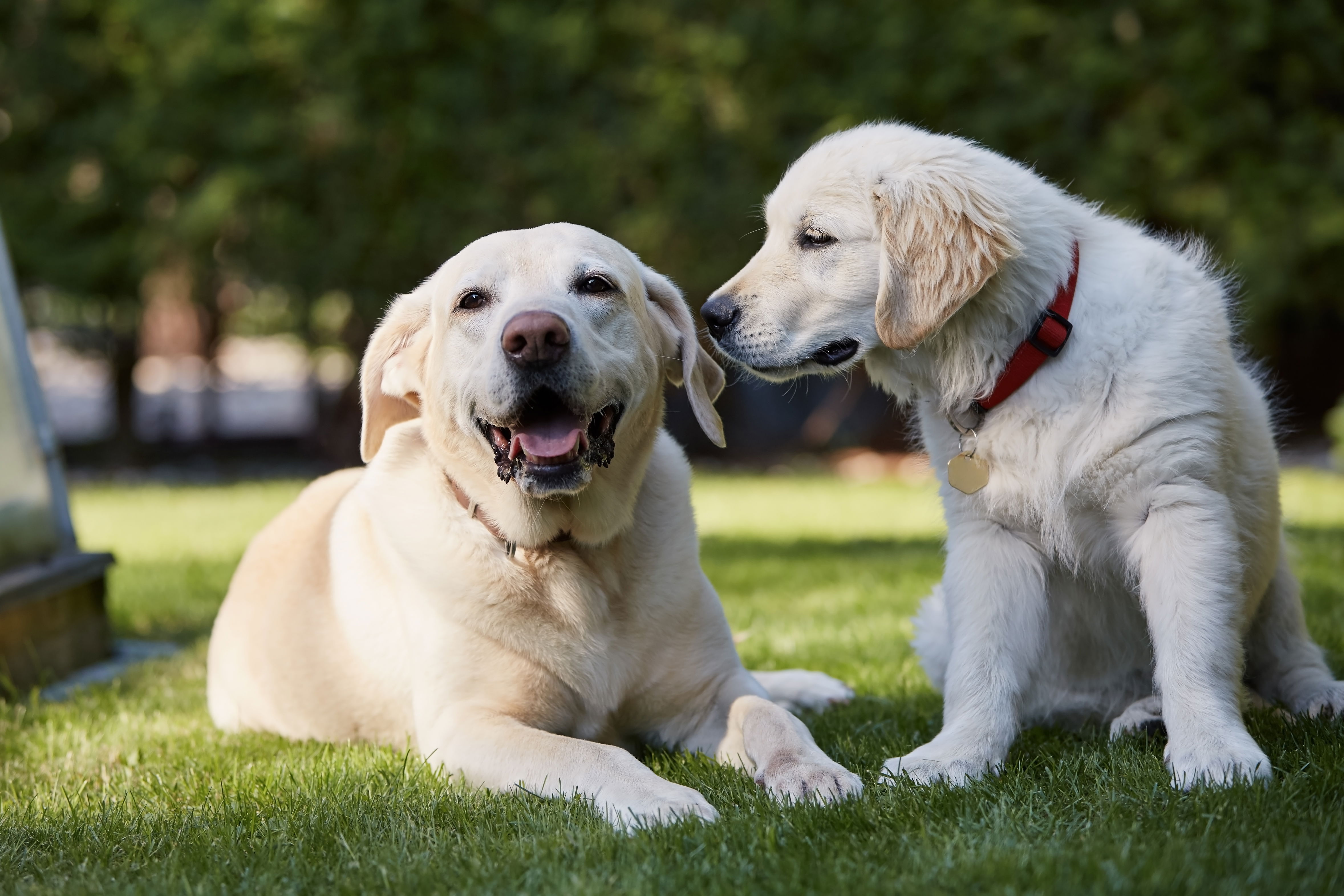
A toy breed puppy, a large breed puppy, and a working line puppy do not develop at the same pace. Growth plates, joint stress, muscle coordination, and confidence all influence what is safe.
Broad rules can help as a starting point, but we must still watch the individual dog. We look for several clues that the current plan might be too much:
- Stiffness after rest.
- Lagging behind on walks.
- Loss of focus.
Planning dog exercise by age becomes especially important during rapid growth periods. Puppies may have spurts when sleep increases and tolerance drops.
At other times they seem bigger and bolder almost overnight. Adjust the walking plan to those changes rather than treating the previous week's routine as fixed.
Flexibility protects the puppy far more than determination does. Breed tendencies matter too.
Busy, clever breeds like Border Collies often need more structured guidance to prevent over-arousal. Heavier breeds such as Bulldogs or Mastiffs may need extra care around stairs, repetitive ball play, or long stretches on hard ground.
Brachycephalic puppies like Pugs and French Bulldogs are also prone to breathing difficulties during exercise. They do better with multiple shorter outings.
The solution is not less enrichment, but enrichment that is chosen more carefully. Large breed puppies need particular caution with repetitive impact.
Long stair sessions, repeated jumping from kerbs, and chasing games on hard ground can all add strain during fast growth periods. Choosing softer surfaces such as grass or woodland trails and keeping sessions shorter is a sensible investment in future soundness.
Signs Your Puppy Is Getting Too Much Exercise
Owners sometimes judge success by how tired the puppy looks at the door. A better way to judge the walk comes later.
Does the puppy drink, settle, and nap well, or does it become wild, nippy, and difficult to soothe? Overtired puppies often look as though they need even more activity because they cannot switch off.
The real fix is usually shorter outings with cleaner recovery time. Also observe the puppy's movement the following morning.
A puppy that bounces into the day, moves freely, and stays interested in food has probably recovered well. A puppy that seems reluctant, sore, or crabby may have done too much.
These checks matter because puppies cannot explain discomfort directly. They show it through behaviour and body language.
We recommend a vet visit if you notice:
- Limping or favouring a leg.
- Swollen joints.
- Excessive panting after mild activity.
Post-walk zoomies do not automatically mean the puppy needs more exercise. They often mean the puppy has become overtired and is struggling to settle.In that case, the fix is more sleep support and gentler pacing, not a second demanding outing. Proper puppy care includes recognising when rest is more valuable than another trip outside.
Using Walks for Training and Socialisation
The puppy stage is the best time to build patterns that will matter later. Short lead skills, calm waiting at kerbs, checking in with the handler, and learning that sniffing has a place all support future walking success.
If owners focus only on tiring the puppy out, they miss a valuable window for teaching cooperation before strength and speed increase. This is also when individual walks can be especially helpful.
Puppies are still learning how to read the outside world. One-to-one handling allows the pace to stay gentle and the route to change the moment the puppy looks unsure.
Group experiences can come later, once the basics of confidence and attention are in place. This typically happens after full vaccination around sixteen to eighteen weeks.
Confidence building belongs in the plan as much as movement does. Standing at a distance from buses, hearing children at play, or watching another calm dog pass can all count as valuable work.
These moments teach the puppy how to observe and process the world without rushing into it.
Plan the Week with Rest Days and Variety
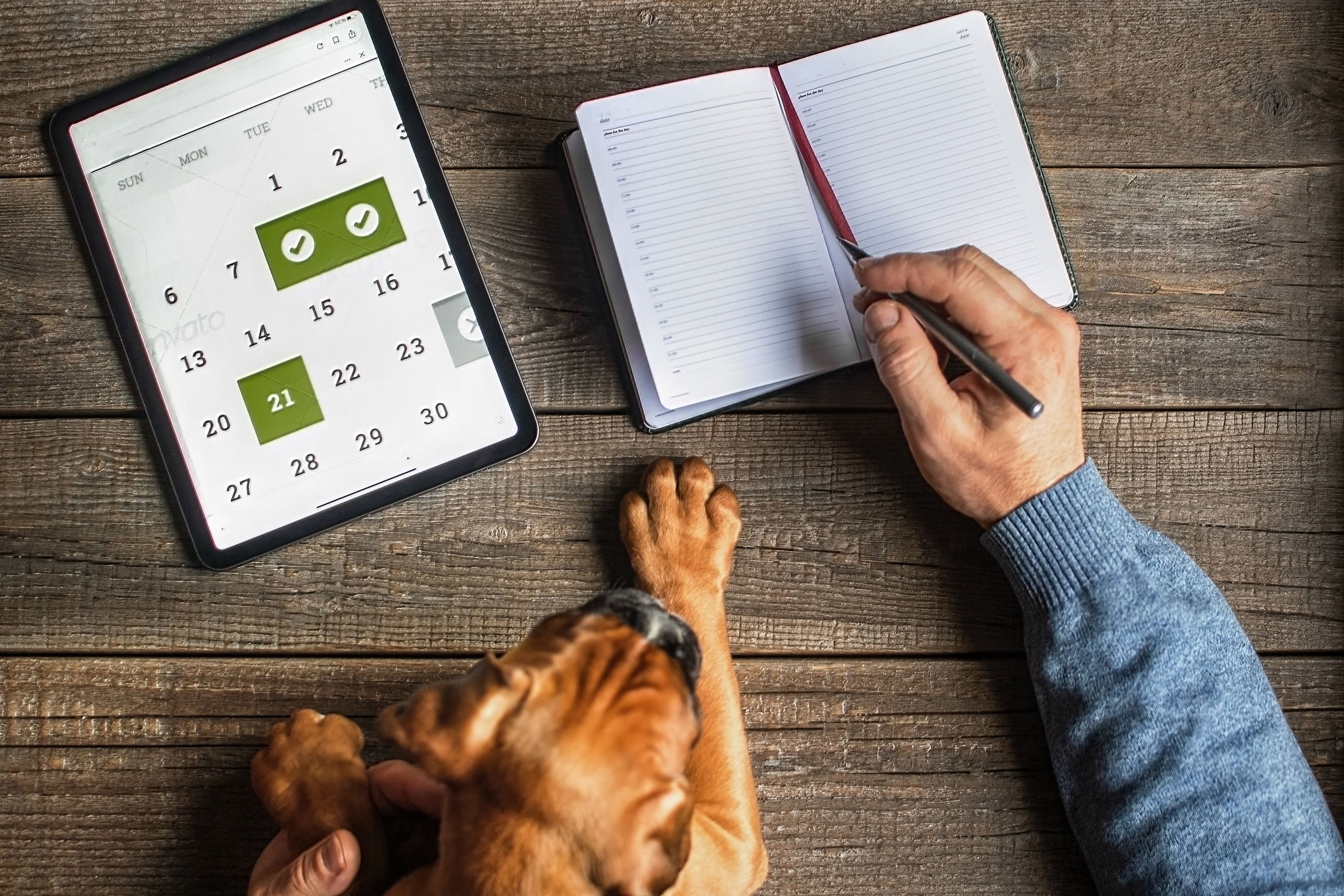
Puppies do not need every day to look identical. One day might focus on a quiet pavement loop and settling near a bench.
Another might include garden play, a short car ride, and a few minutes watching the world from a distance. Variety helps the puppy learn, while rest protects growth.
A balanced week can mix various activities:
- Puppy walking.
- Garden sniffing.
- Short training sessions.
- Quiet handling practice indoors.
That variety protects joints while still giving the puppy enough experience to mature into a calm adult dog. Many owners find it helpful to review the plan every two weeks during the first year.
Growth, confidence, and stamina change quickly, so what fitted last month may already need adjusting. Planning dog exercise by age as an ongoing habit keeps the routine kind instead of accidentally demanding.
If you are still unsure how much walking a puppy needs for your specific dog, stay conservative and review often. It is easier to add a little later than to unwind the effects of too much too soon.
For London owners balancing work and puppy development, our team at Sauro Active Paws offers:
- Puppy care sessions.
- Individual walks.
- Group walks designed around age-appropriate routines.
Our programs protect joints, build confidence, and support good habits from the start.
FAQ
Can I split a puppy's exercise into several short outings?
Yes, and that is often the best approach. Several short, positive sessions are usually easier on the body and better for learning than one long walk that pushes the puppy past a useful limit.
Does a puppy need walks every single day?
Most puppies benefit from regular outdoor exposure, but the format can vary. Some days may lean more on garden time and simple training, especially during growth spurts or poor weather.
When can a puppy start going on walks outside?
Most vets advise waiting until the full vaccination course is complete before letting a puppy's paws touch public ground. This usually occurs around eight to twelve weeks of age.
How do I know if my puppy is getting enough exercise?
A well-exercised puppy settles calmly after an outing, naps well, and moves freely the next morning. Restlessness or difficulty settling may point to overstimulation rather than too little activity.