How Much Do Dog Walkers Charge: A Practical Cost Guide
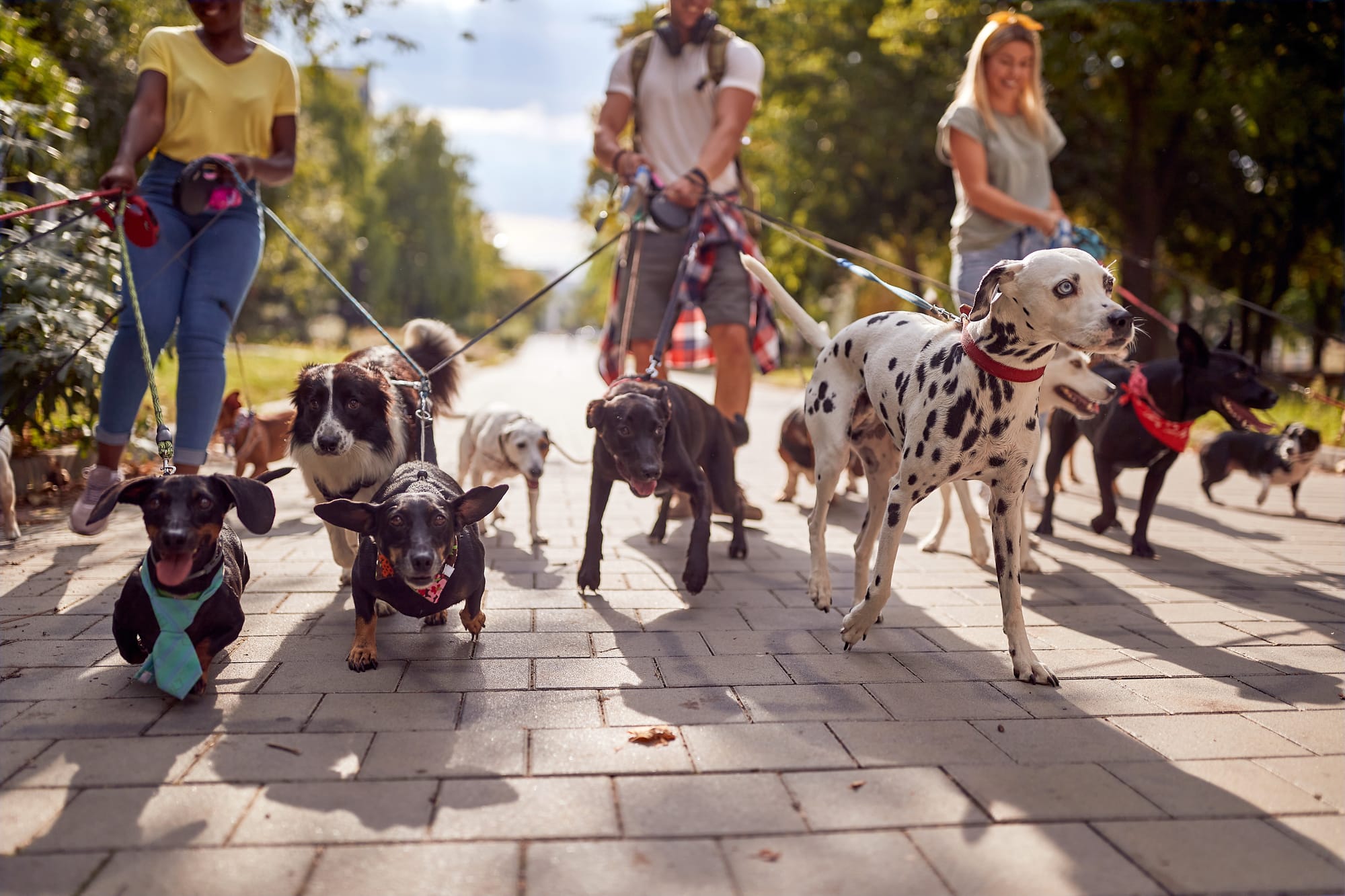
If you're asking how much do dog walkers charge, you're already doing the right thing. You are budgeting before you commit. The tricky part is that a "walk" is not a standard product. One walker might mean a structured lead walk, another might mean a group adventure, and another might include basic training and detailed updates.
This guide explains the most common pricing models, what genuinely changes the cost, and how to compare quotes without guessing. You'll also get a checklist for choosing a walker who fits your routine and keeps your dog safe.
Many owners use this comparison stage to shortlist professional services that are clear about pricing, safety, and communication. Experienced providers like Sauro Active Paws focus on these qualities.
The Most Common Dog Walker Pricing Models
Most dog walkers price by walk length. You'll usually see set options like 30, 45, or 60 minutes, and the clock often starts when the walk begins, not when the walker leaves their home. That is why it's important to ask how they define the time.
You may also see dog walking prices packaged as bundles. For example, a weekly plan for a set number of walks can be easier to manage than paying one-off. Packages also help walkers keep consistent routes and reduce admin. In return, you may get a lower per-walk cost.
Some providers price per hour, but still have a minimum booking. Others price per dog, then offer a small discount for two dogs from the same household walked together. If you see a low headline price, check whether it assumes a group walk, a shorter duration, or a limited service area.
If you want to compare dog walking service rates like-for-like, pick a typical week and convert each quote into a weekly total. Include duration, travel fees, weekend charges, and the cancellation policy. A quote that looks slightly higher can be better value if it includes consistent updates, a meet-and-greet, and a clear safety process.
What Actually Drives The Cost Up Or Down
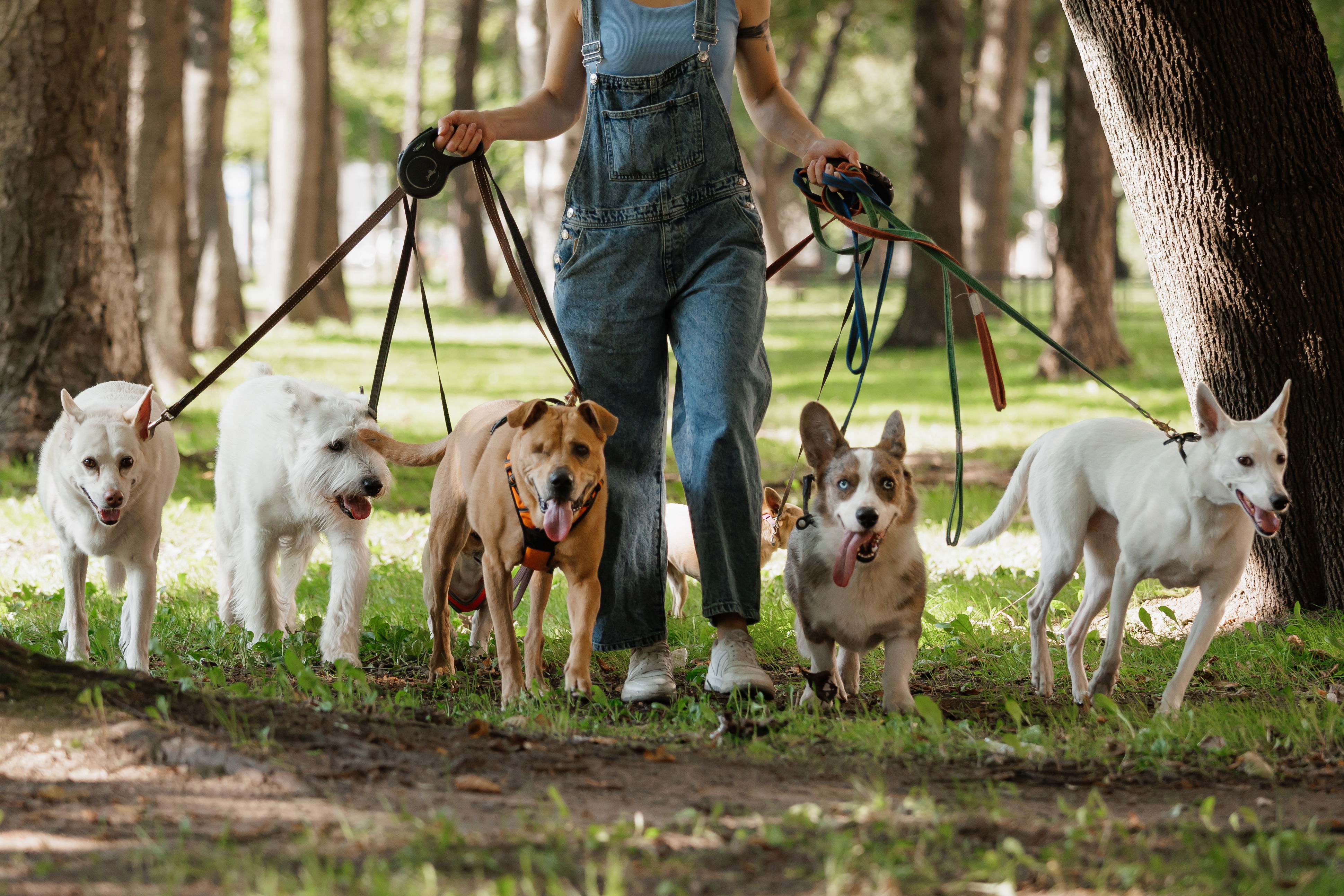
Time is the biggest driver, but it's not only the minutes outside. Pick-up, drop-off, and travel between dogs all affect the schedule. That is why a 60-minute solo walk is usually priced differently from a 60-minute group outing.
The biggest driver of your dog walker cost is the level of attention your dog requires on the walk. Dogs who pull hard, are reactive, or need structured training take more focus. Walkers also price based on risk. A dog that may bolt, snatch food, or struggle with greetings increases the responsibility on the handler.
Your location matters too. High-demand neighbourhoods, limited parking, or routes that require more travel time can push prices up. The same is true for weekends, evenings, and short-notice bookings.
Finally, skill matters. An experienced dog walker can handle distractions calmly, spot stress signals early, and keep your dog in a safe routine. You are not only paying for time. You are paying for judgement in the moments that matter.
What You Should Get For The Price
Before you accept a quote, ask what is included in plain language. Good services are clear about the basics:
- Walk type: solo, pair, or small group
- Group size and how dogs are matched
- Equipment used (lead types, harness requirements)
- Water breaks and weather adjustments
- Updates after the walk (photos, notes, toileting, energy)
- Emergency process and vet permission
If your dog needs support beyond a standard walk, clarify it early. This might include medication, a longer warm-up for nervous dogs, or avoiding busy areas at peak times. These details are not "extras" to hide. They help the walker price the job fairly.
If you are comparing services, ask about consistency. Will you have the same walker most of the time? If not, how are notes shared so the new person knows your dog's routine? A good system reduces stress for your dog and lowers risk.
This level of clarity is often what separates professional dog walking services from casual arrangements. Providers like Sauro Active Paws use clear processes and consistent updates so owners know exactly what they’re paying for and why.
Safety Questions That Protect Your Dog And Your Home
Price is only meaningful when the basics are covered. Ask directly about dog walker insurance and what it covers. You are looking for confidence and clarity, not vague reassurance.
An insured dog walker should be able to tell you whether they carry public liability cover and how they handle emergencies. They should also have a clear plan for lost dogs, injuries, and heat safety. If the answer is defensive or unclear, take it seriously.
It also helps to have terms in writing. A contract for dog walking services can outline cancellations, refunds, emergency vet permission, key handling, and what happens if the walker is unavailable. It is not about distrust. It is about removing confusion when something unexpected happens.
How To Compare Quotes Without Getting Fooled
When owners ask how much does a dog walker cost, they often focus on the per-walk number. That is normal. But the better comparison is total value for your specific routine.
Use this simple scoring method when you have two or three options:
- Fit: Do they understand your dog's temperament and needs?
- Safety: Clear emergency plan, equipment standards, and boundaries
- Consistency: Reliable schedule, same walker when possible
- Communication: Updates that help you spot patterns
- Transparency: Straight answers on pricing and policies
Then look at the quote again. If one service is cheaper, ask what is different. Is the walk shared? Is the duration shorter? Are there fewer updates? Are there extra fees for weekends and holidays? A low price can still be a good deal, but only when you understand what you are buying.
If you want a quick budget estimate, build a weekly total and leave a small buffer. Even a steady routine can include occasional extras, like a last-minute booking or a longer walk during a busy week. That approach stops price anxiety from creeping back in later.
Is It Worth It, And How Can You Keep It Affordable?
For many owners, it is worth it because it protects routine. Dogs often behave better when exercise is predictable. They rest more easily, and they are less likely to invent their own entertainment. That can reduce stress for the whole household.
If the cost feels high, the easiest way to improve value is consistency. Booking the same slots each week reduces admin for the business and creates a stable routine for your dog. You can also mix walk lengths. For example, a longer walk on a quieter day and a shorter walk on days your dog already gets extra activity.
If you are in a high-demand area, consider booking earlier in the week and avoiding peak times. Small shifts in timing can open up better availability and sometimes better pricing.
Conclusion
So, how much do dog walkers charge in practice? It depends on time, complexity, and the quality of the service behind the walk. When you compare quotes, focus on safety, consistency, and what is included, not just the headline number. That is how you pay for peace of mind instead of paying for surprises.
If you'd like a tailored quote from Sauro Active Paws, share your location, your dog's age and temperament, and your ideal schedule. We'll recommend a simple plan that keeps walks consistent and calm.
FAQ
How much do dog walkers charge for a 30-minute walk?
Many walkers price 30 minutes as an entry option, then scale up for 45 or 60 minutes. The exact cost depends on whether the walk is solo or shared, the location, and any special handling needs.
Should I choose solo walks or group walks?
Solo walks suit dogs who are nervous, reactive, or easily overstimulated. Group walks can be great for confident dogs when the group is small and matched carefully.
What should I ask at the meet-and-greet?
Ask about group size, emergency plans, equipment, and how updates are shared. Also ask how they handle busy crossings, off-lead decisions, and bad weather days.