Dog Walking Services: 5 Benefits Of Booking A Pro
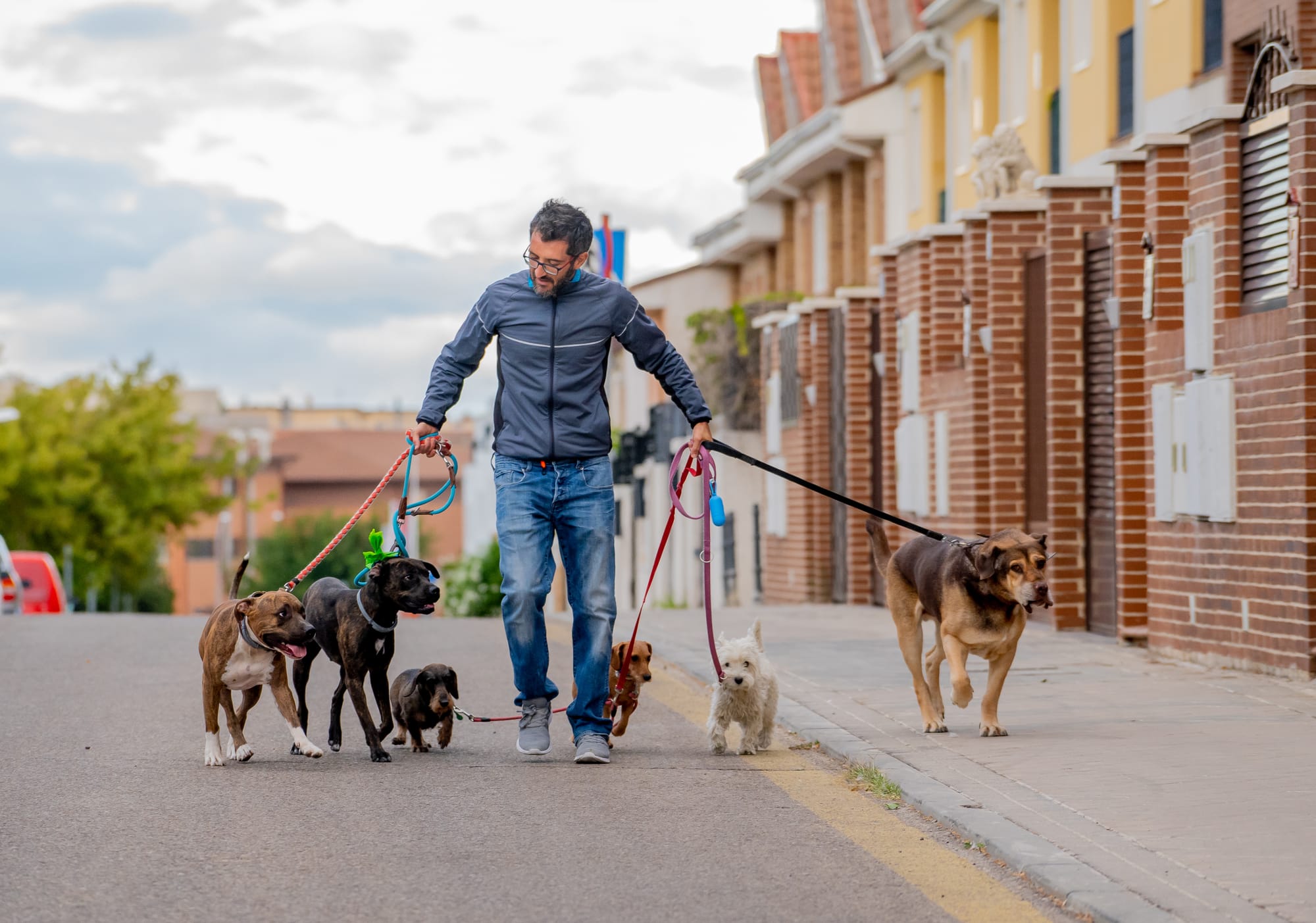
For many owners, dog walking services are not just a "backup plan" for busy days. For many dogs, they are the difference between a routine that feels calm and a routine that feels unpredictable. Consistent walks support physical health, reduce boredom, and make behaviour easier to manage at home.
This article explains what a quality service includes, the benefits you can expect when you book regularly, and how to choose a walker who fits your dog's personality. It is written for owners who want a simple, safe plan without guesswork.
Many owners choose a professional service like Sauro Active Paws when they want clear communication, safe handling, and a routine that fits their dog’s temperament rather than a one-size-fits-all approach.
Dog Walking Services: What A Quality Booking Usually Includes
A good service starts with clarity. You should know the walk duration, whether the walk is solo or shared, and how your dog will be handled in busy areas. You should also know what happens in extreme heat, heavy rain, or unexpected closures.
Most businesses include pick-up and drop-off, a walk that matches the booked duration, and a short update. Updates do not need to be long. They just need to be useful. A quick note about energy, toileting, and any unusual behaviour helps you track patterns over time.
Some providers offer pet walking variations beyond a standard lead walk. That can include structured walks with cue practice, gentle enrichment for nervous dogs, or shorter visits for older dogs who tire quickly. The best option depends on your dog's age and temperament, not a one-size-fits-all package.
Benefit 1: Consistent Exercise That Supports Long-Term Health
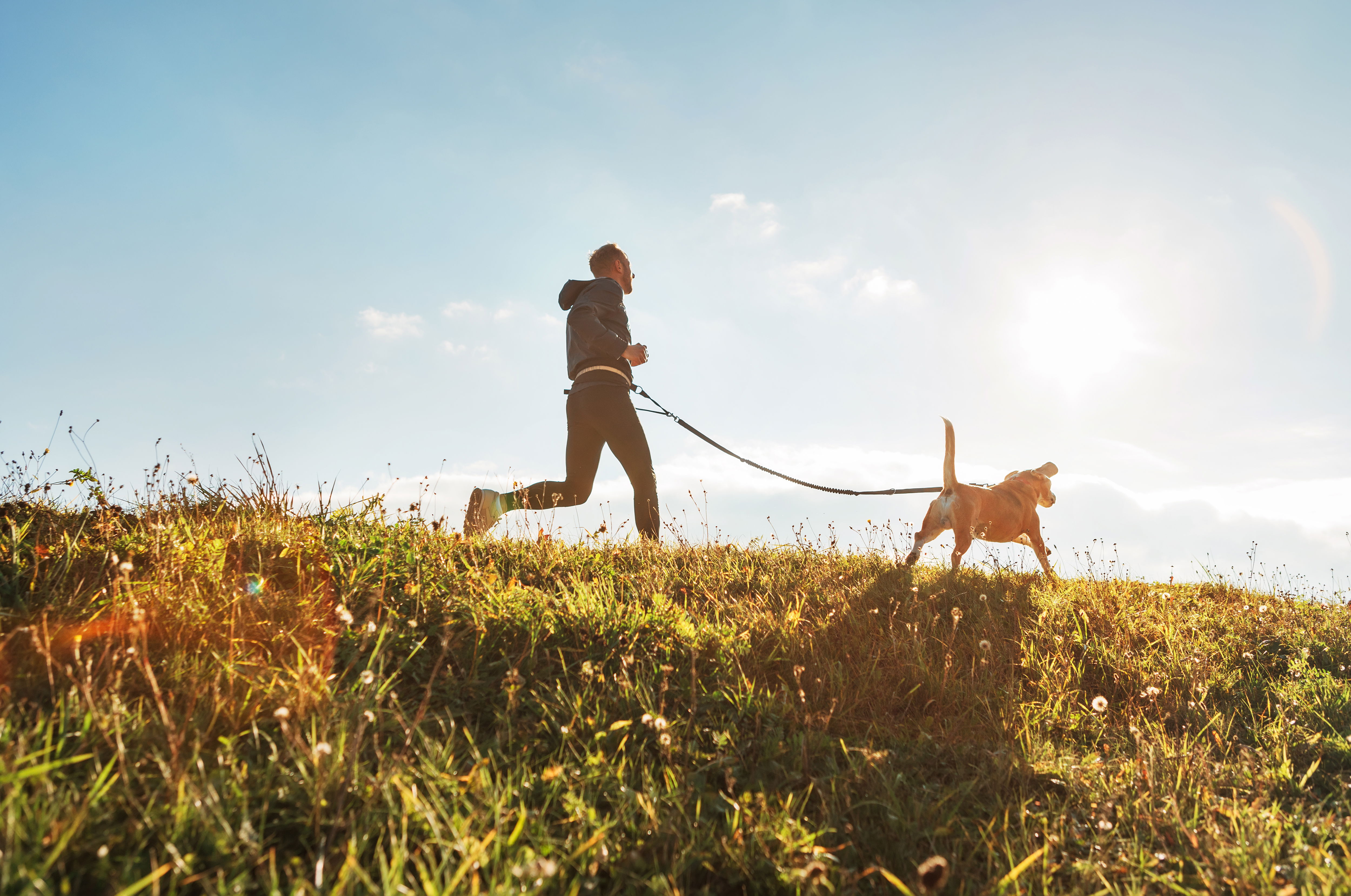
Consistency matters more than intensity. Dogs who walk regularly often maintain healthier weight, better stamina, and stronger joints. They also tend to settle more easily after activity, which can reduce pacing and restlessness at home.
Regular movement is especially helpful for dogs who do not get enough off-lead time. Even structured lead walks provide a steady outlet, as long as the pace and duration match the dog's fitness.
Benefit 2: Mental Stimulation That Reduces Boredom Behaviours
Walking is not only physical. It is information. Sniffing, exploring, and changing routes can prevent boredom that shows up as chewing, barking, or attention-seeking.
When a walker builds variety into the route and keeps the dog engaged, the dog returns home more satisfied. This is one reason owners see behaviour improvements even when the total exercise time does not change dramatically.
Benefit 3: Support For Training And Better Manners
Walks are where manners are tested. Dogs meet other dogs, cyclists, scooters, and unexpected noises. When the handling is consistent, dogs learn faster.
A professional dog walker should follow your core rules, such as where the dog walks on the lead and what cues you use for stopping and crossing. Even small consistency, like waiting calmly before exiting the door, adds up over time.
Benefit 4: Social Opportunities That Are Matched To Your Dog
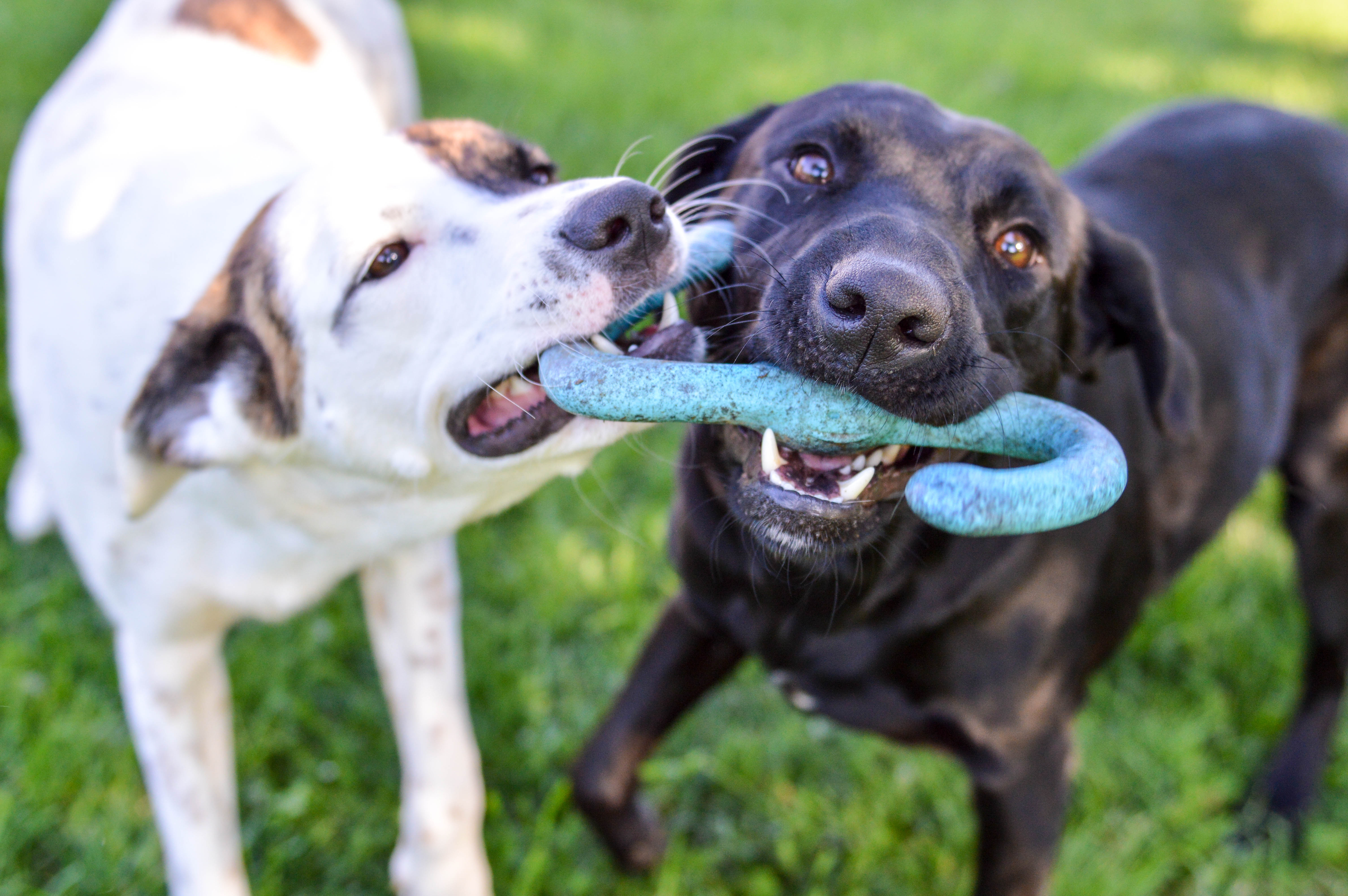
Some dogs thrive with company. The key is matching. Dog socialisation walks can help confident dogs practise calm greetings, walking near others, and settling around distractions.
That said, social walks are not right for every dog. If your dog is nervous, reactive, or overwhelmed easily, solo walks can be the kinder option. A good walker should tell you which setup is likely to work best and why.
Benefit 5: Peace Of Mind And A Routine You Can Rely On
For many owners, the biggest benefit is reliability. When you know your dog will be walked, you can focus on work or family without guilt. Dogs also benefit because they can predict the rhythm of the day.
If you need ongoing support, local dog walking services are often easier to manage than last-minute bookings with new people each time. Familiar handling reduces stress and makes transitions smoother.
How To Choose The Right Walker For Your Dog
Start with a meet-and-greet. Ask how they manage crossings, how they decide whether a dog is suitable for group walks, and how they respond if a dog freezes or refuses to move. You are looking for calm answers and practical steps.
Next, ask about safety habits. The goal is safe dog walking that still feels fun. A walker should be clear about lead policies, equipment requirements, and how they avoid risky off-lead situations.
Then match the plan to your routine. A daily dog walking service can be ideal for high-energy dogs, young adults, and dogs who become destructive when they miss activity. If your schedule varies, ask how flexible the booking system is and whether they offer backup cover.
Finally, consider the type of walk. Puppy walking should focus on confidence, gentle exposure, and safe distances from overwhelming triggers. For confident adult dogs, group dog walks can be a great fit when the group is small and matched thoughtfully.
Before you commit, ask how they handle communication over time. Do they share updates in the same format each visit? Do they flag small changes, like limping, unusual thirst, or stress around certain triggers? Consistent notes help you catch issues early and adjust routines before problems grow.
What To Ask Before You Book
If you want quick clarity, use this checklist and listen for specific answers:
- How many dogs will be walked at once, and how are they matched?
- What is the plan for heat, storms, or unsafe conditions?
- How do you handle emergencies, and what details do you need from me?
- What equipment do you expect me to provide?
- How do cancellations, refunds, and rescheduling work?
- Will the same walker attend most visits, and what happens if they are off?
Clear answers here usually predict a smoother experience later.
Getting Started Without Stress
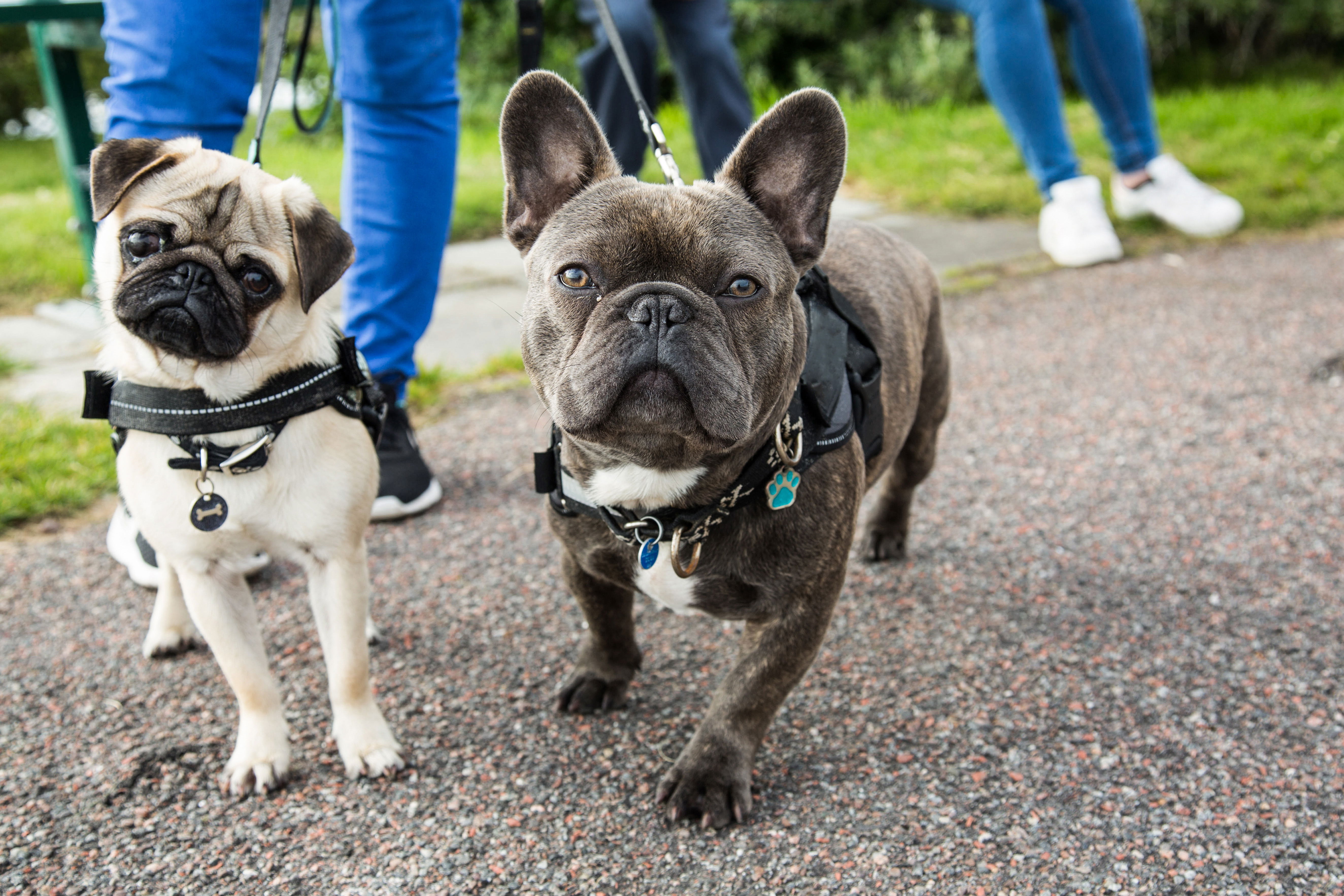
The first two weeks set the tone. Keep the same harness and lead, share clear access instructions, and explain your dog's routine in simple bullet points. If your dog has specific triggers, be honest. The best walkers want that information because it helps them avoid problems.
If you plan to hire a dog walker for the first time, start with a short booking schedule and increase as you see how your dog responds. Good routines are built gradually. That protects your dog and makes the service feel sustainable.
To make handovers smoother, prepare a small "walk kit" near the door. Include treats your dog tolerates well, waste bags, a towel for muddy paws, and any notes about harness fitting. It sounds basic, but it reduces mistakes and saves time for everyone.
Conclusion
When dog walking services are consistent, they can improve your dog's health, behaviour, and overall mood. Look for clarity, good communication, and a plan that matches your dog's personality instead of forcing them into a standard template.
If you'd like help setting up the right schedule, contact Sauro Active Paws with your dog's age, energy level, and preferred days. We'll recommend a simple plan that makes walks feel easy again.
FAQ
How often should I book walks?
Many owners start with 2-4 walks per week and adjust based on energy and behaviour. Consistency is usually more important than maximum frequency.
What if my dog is nervous with new people?
Start with a calm meet-and-greet and a short first walk. Trust is built through predictable handling and patient repetition, not pressure.
Are your dog walking services insured?
Yes. Sauro Active Paws is fully insured, and safety is always a priority. Clear procedures are in place for emergencies, secure handling, and calm, controlled walks suited to each dog’s needs.