Dog Walker Cricklewood: How To Find A Trusted Local Walker
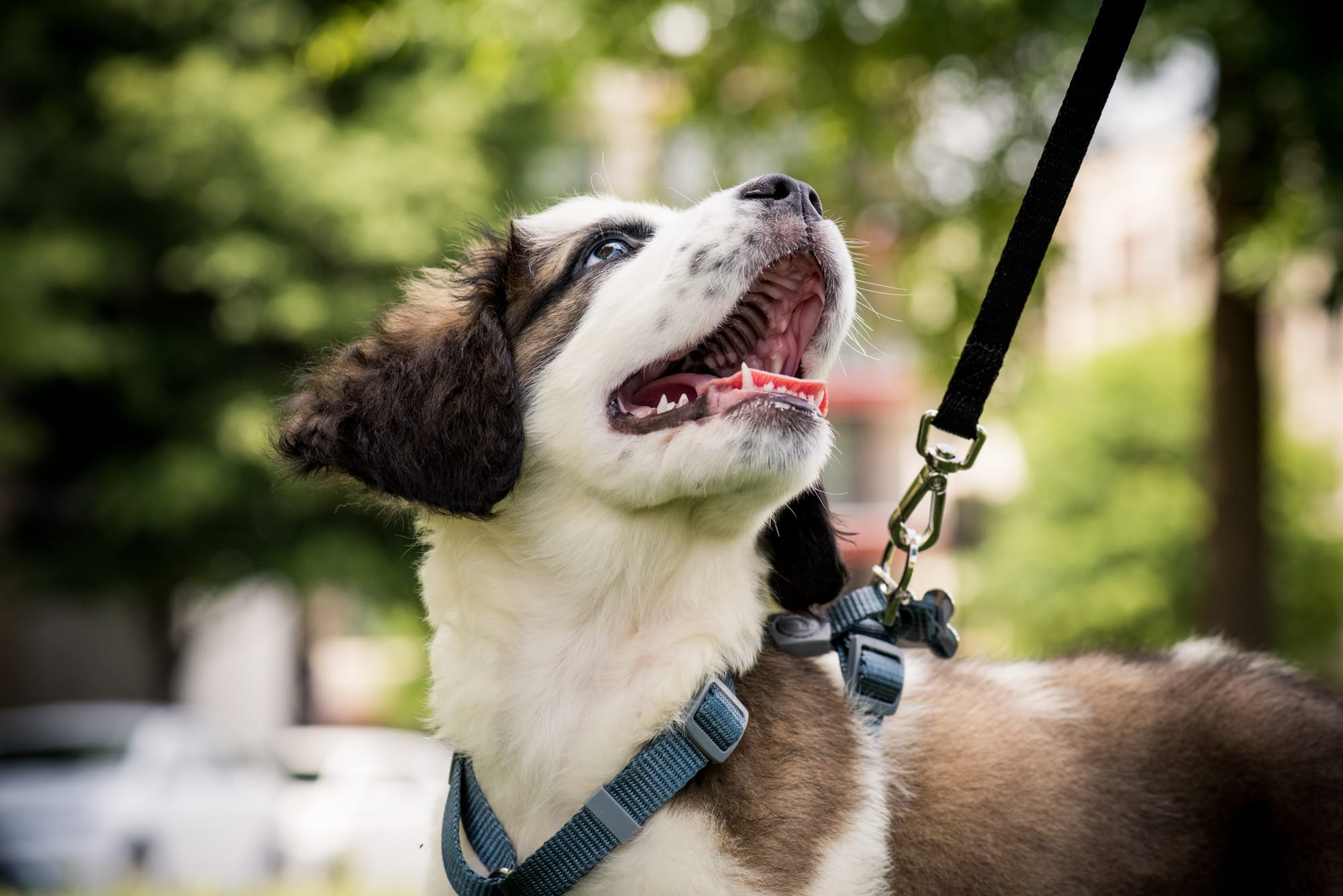
If you’re searching for a dog walker in Cricklewood, you’re usually trying to solve two things at once: creating a reliable routine and trusting the person responsible for your dog’s care. The best choices come from a clear process that prioritises safety, consistency, and the right fit for your dog.
This guide offers a practical checklist covering what to prepare, what to ask at the meet-and-greet, and how to assess the first week of walks. It’s written for real life in a busy Cricklewood setting, where popular parks and everyday distractions are part of the routine.
If you’re looking for a trusted Dog Walker Cricklewood service dog owners recommend, Sauro Active Paws offers calm, reliable walks with clear communication. Book a meet-and-greet to see if we’re the right fit.
How To Choose The Right Dog Walker For Your Dog In Cricklewood
Before you compare profiles, define the outcome you want. Is the goal exercise, training support, confidence-building, or simply a predictable break in the day? Different goals need different walk styles.
Write down a few essentials: age, energy level, recall reliability, comfort around other dogs, and any triggers. Then decide whether your dog is suited to solo walks or a small group. If you are comparing local dog walkers, ask how they decide which dogs walk together and how they prevent mismatches.
Also consider logistics. Pick-up access, key handling, and timing matter. A walker can be great, but if the schedule is chaotic, the routine will not stick.
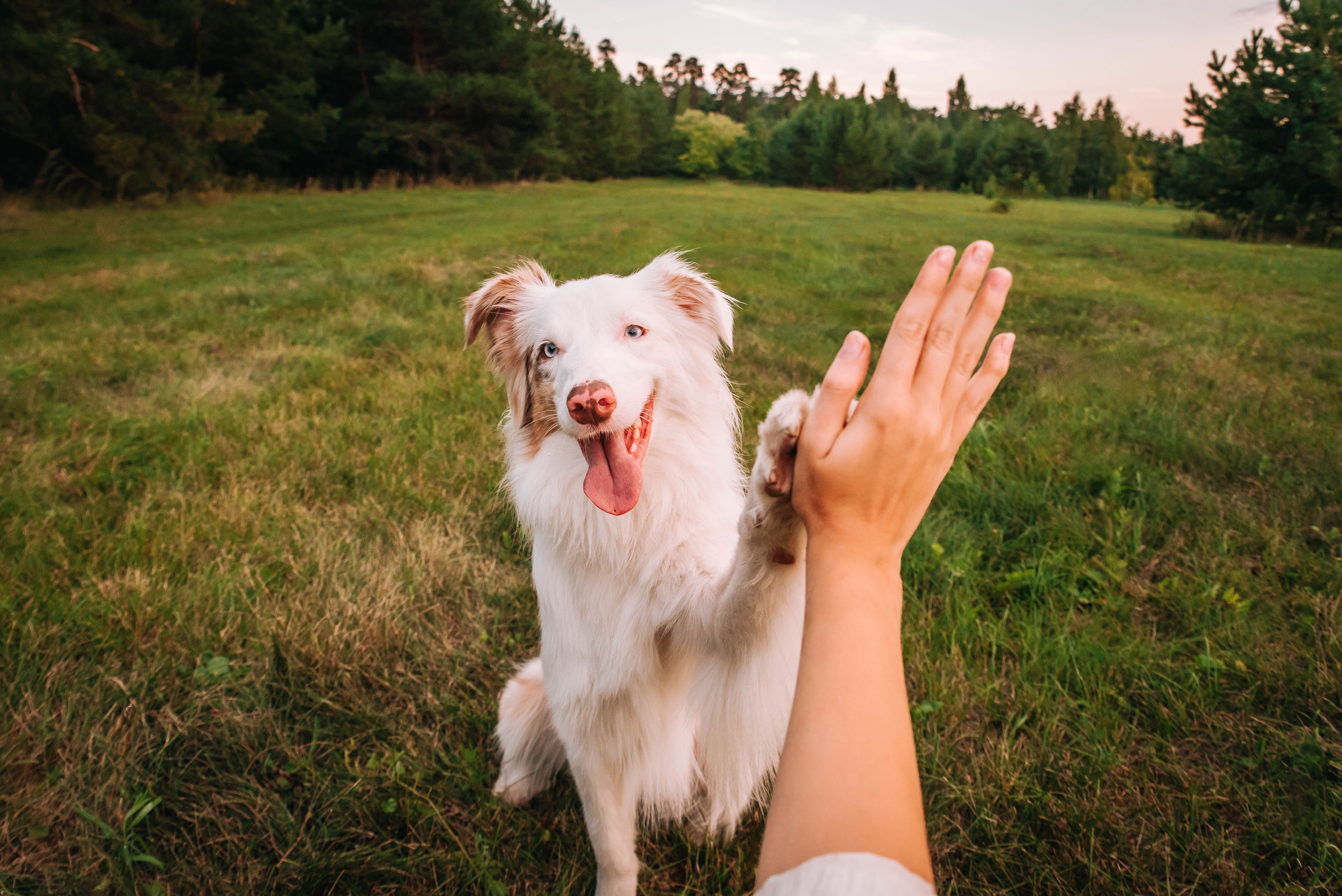
A Meet-And-Greet Checklist That Keeps You Safe
Treat the meet-and-greet like a short interview. You are not being awkward. You are being responsible.
- How do you handle crossings and busy streets?
- What is your maximum group size, and how do you introduce dogs?
- What equipment do you require (harness, collar, lead)?
- What updates do you send after each walk?
- What is your emergency plan and which vet will you contact?
- How do you handle keys and home access?
If you found them through a dog walker near me search, ask for local references. Feedback from nearby owners is often more useful than generic reviews.
Routes, Parks, And Real-World Distractions
In this area, route choice is part of the service. A dog walker Cricklewood heath walk can be brilliant for confident dogs, but it is busy and full of stimulation. A good walker will choose routes based on your dog's focus and comfort, not just what looks scenic.
If your routine is closer to the high street and quieter streets, a dog walker west Cricklewood route may suit you better than long sessions in crowded areas. Ask how they adapt to peak-hour crowds, wet weather, and hot pavements.
If you also travel across the city, you may want someone who can coordinate with a dog walker in london schedule. The goal is to keep timing consistent so your dog can predict the day.
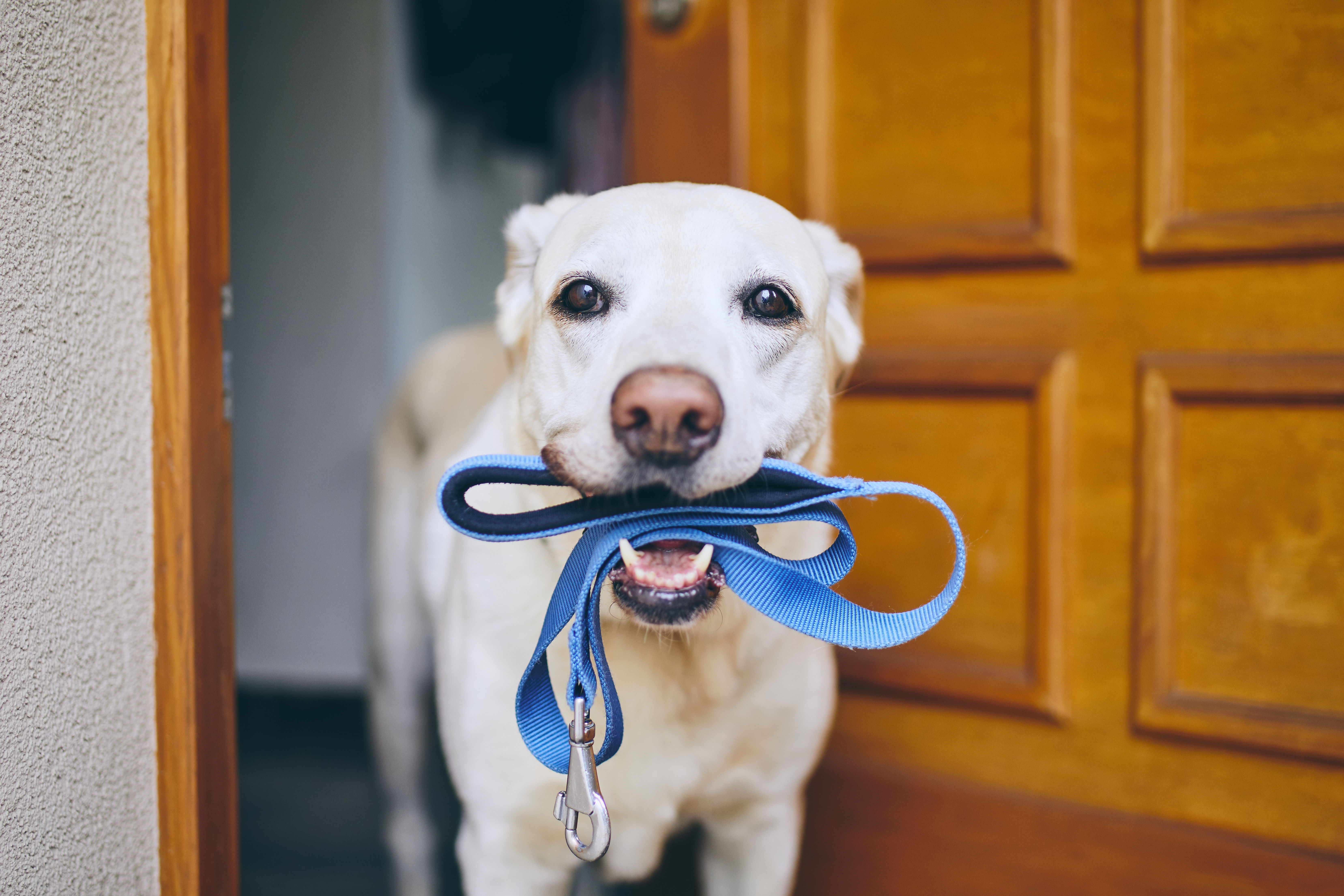
What To Share Before The First Walk
Owners often assume the walker will "figure it out" on the first outing. It is safer to give clear information upfront. It saves time and prevents avoidable mistakes.
Share the basics in writing, even if it is only a few bullets:
- Preferred equipment and how it should fit
- Treat rules and any food allergies
- Recall reliability and whether off-lead time is allowed
- Triggers (scooters, children, specific dog types, loud noises)
- Handling notes (picking up, paw wiping, lifting into the car)
- Medical notes and where your emergency contact details are stored
The more predictable you make the handover, the calmer your dog will be on day one.
Professionalism Signals That Matter
Trust is built on small things done consistently. Look for clear messages, punctuality, and a willingness to learn your dog's routine. The best walkers ask follow-up questions because they want to reduce risk.
Ask about policies. An insured dog walker should be clear about what their cover includes and how they handle emergencies. If your dog has training needs, an experienced dog walker can make walks calmer by reinforcing the same cues you use at home.
Also ask about backup cover. If your schedule changes often, dog walkers in my area are only useful when they can be consistent. A good business will explain how they handle sickness, holidays, and last-minute changes.
Home Access, Keys, And Privacy
Because the service often includes access to your home, it is reasonable to talk about security. Ask how keys are labelled and stored, who has access, and what happens if a key is lost. If you use an alarm, share simple instructions and confirm the walker is comfortable following them.
It also helps to agree on boundaries. For example, which rooms are off-limits, whether the dog can be given food, and what to do if the dog has an accident indoors. Clear boundaries protect everyone and reduce awkward conversations later.

Red Flags And Quick Checks
Most problems show up early if you know what to look for. A few red flags are enough to walk away, even if the person seems friendly.
- No meet-and-greet offered, or they rush the process
- Vague answers on group size, routes, or emergencies
- Pressure to go off-lead without knowing your dog
- No clear policy on cancellations or missed walks
- Poor communication before you have even booked
On the positive side, look for simple professionalism. Clear messages, consistent arrival windows, and a willingness to write down key notes usually predict a safer routine.
A little caution upfront can save stress for months.
How To Evaluate The First Week
The first week is your reality check. Watch how your dog behaves before the walk, during handover, and after returning home. Most dogs show you quickly whether the pace and handling feel right.
Look for steady signs: your dog is willing to go out, settles after returning, and does not show new stress behaviours. If something feels off, ask questions early. A good walker will adjust route choice, group match, and handling style.
Also look at communication. You should receive updates that are consistent and specific enough to be useful. Over time, these notes help you understand patterns like energy levels, toileting frequency, and what environments your dog finds most comfortable.
Conclusion
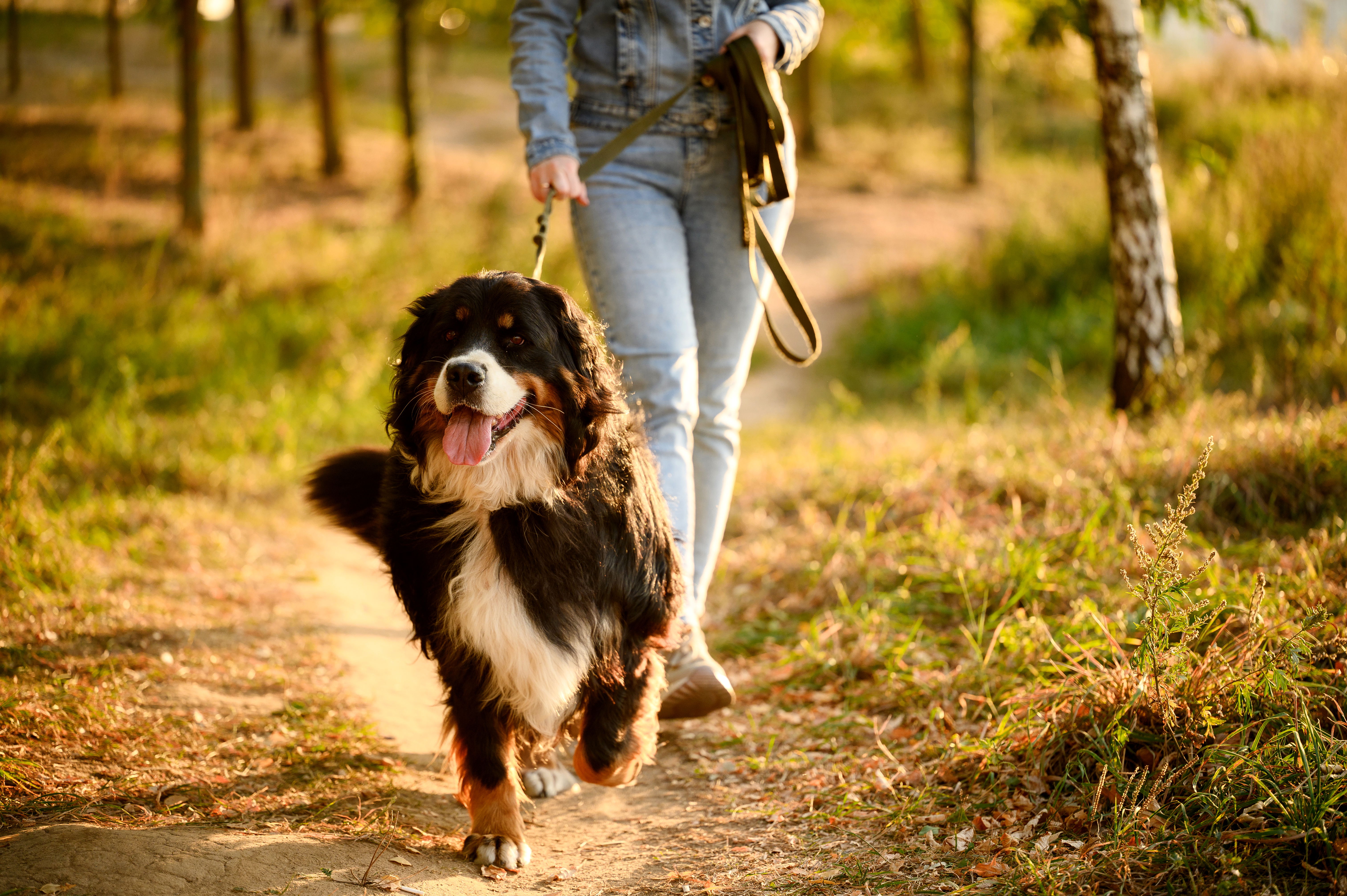
Choosing a dog walker Cricklewood is easier when you focus on fit, safety, and communication. Start with your dog's needs, use a clear meet-and-greet checklist, and pay attention to how the walker handles real-world distractions.
If you'd like help building a calm, reliable routine, contact Sauro Active Paws to book a meet-and-greet. Share your preferred days, your dog's age, and any triggers, and we'll recommend a walking plan that feels consistent and safe.
FAQ
How long should the first walk be?
Keep the first walk simple, especially if your dog is anxious. A shorter route helps the walker learn your dog's pace and triggers without rushing.
Should I choose solo or group walks?
Solo walks suit dogs who are nervous, reactive, or easily overstimulated. Group walks can work well when the group is small and matched carefully.
Do I need to provide equipment?
In most cases, yes. A well-fitting harness, a secure lead, and an ID tag make handovers smoother and reduce risk. Your walker can tell you if they recommend a long line or specific gear for your dog's needs.