Dog boredom signs: 10 clues daily walks can help fix
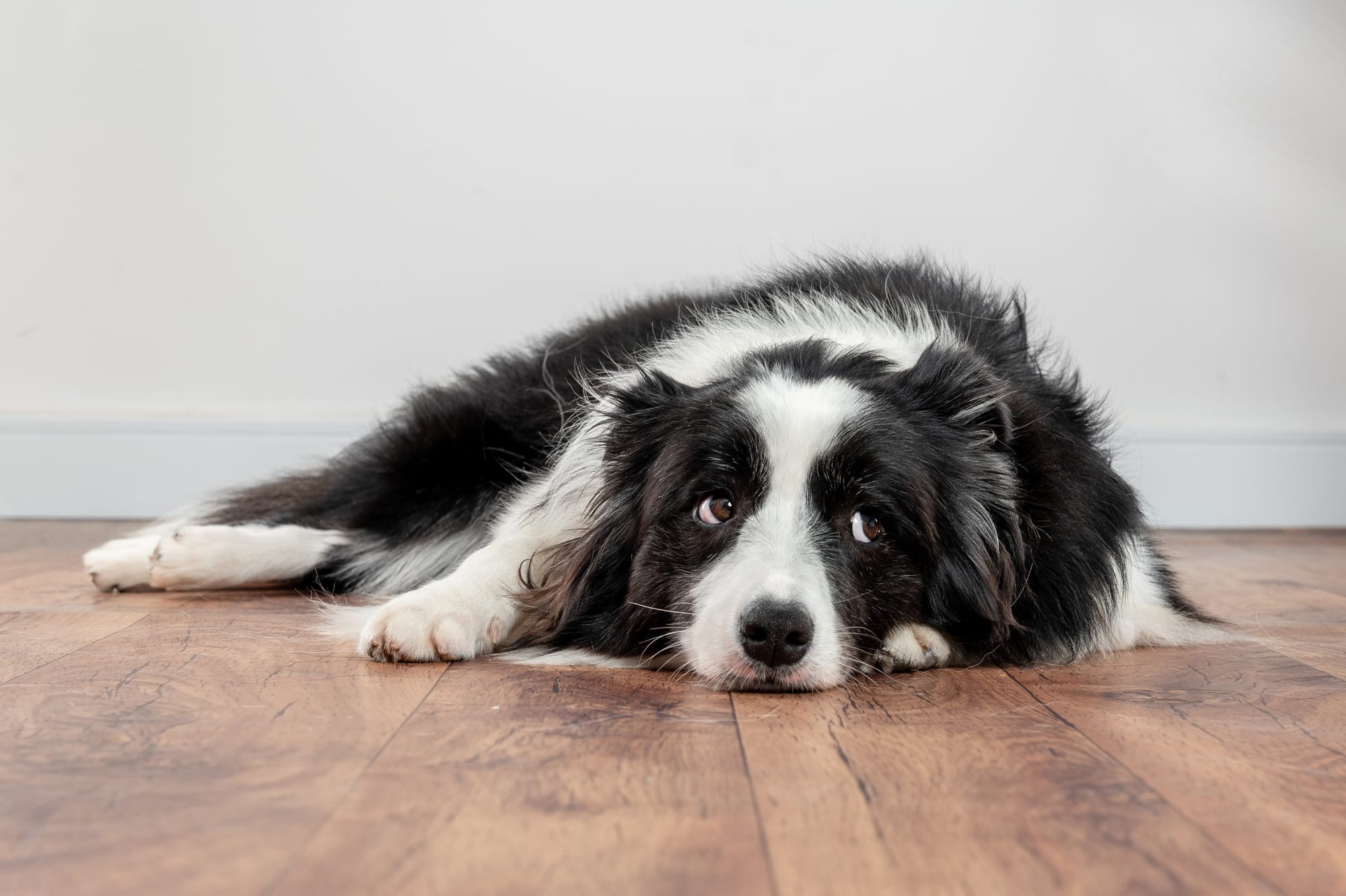
Signs of dog boredom rarely arrive with a clear label. They often show up as habits owners describe as naughty, needy, or random.
A chewed chair leg, frantic greeting, shredded tissue box, or obsessive window watching can all point to a routine that is too repetitive for the dog's brain. Research suggests that around 80 per cent of owners report increased destructive activity when their pets lack mental stimulation.
The good news is that boredom is practical to address once you know what clues to watch for and how our professional walking services can help.
Signs of dog boredom often appear before the lead comes out
One common clue is constant shadowing. The dog follows every movement because nothing in the day feels structured enough to hold the dog's attention elsewhere.
Another is early overreaction to ordinary cues. If opening a cupboard or picking up keys creates an explosion of barking or spinning, the dog may be under-stimulated and waiting for any event to break the monotony.
Excitement can be a boredom symptom as easily as a joy response. We recommend watching for restless self-entertainment.
Some dogs move from toy to toy without settling. Others steal laundry, dig at bedding, or patrol the window as if they are searching for work.
These behaviours can have other causes, but when several appear together, the pattern often points towards frustration rather than disobedience. The dog is creating its own occupation because the day is not offering enough meaningful outlets.
Changes in sleep can also matter. A healthy dog should rest deeply for much of the day.
If the dog dozes lightly, wakes at every sound, and never seems fully off duty, the routine may be keeping the brain on standby instead of letting it relax. Owners should also ask when the behaviour happens most.
A dog who acts restless only on workdays may be telling you the daytime routine lacks variety. A dog who seems scattered every evening may be showing that arousal has been building since morning rather than appearing out of nowhere.
How walks influence boredom
A flat, repetitive walk can feed boredom even when the dog is technically exercised. Walking the same route at the same pace, with little sniffing and constant lead pressure, gives the body movement while leaving the brain hungry.
Owners often return home puzzled because the dog has been out for an hour yet still seems restless. In many cases, the answer is not a longer walk, but a richer one.
This is where mental stimulation and daily walks begin to overlap. Sniffing, route variation, small search games, and pauses to observe the environment all change how full the outing feels.
Dogs often come home more settled after a shorter but more thoughtful walk than after a long automatic loop. Quality changes the meaning of the time spent outside.
If the dog also struggles around visitors, grabs the lead, or pesters for attention right after returning home, that tells you the walk may be adding arousal without enough processing. A better routine should lower that carryover, not increase it.
Clock time can therefore be misleading. Sixty minutes on a route with no choices may feel thin, while thirty minutes with sniffing, observation, and calm handling can feel complete.
Boredom is often a quality problem before it becomes a quantity problem.
Ten clues that the routine needs more variety
We have found that these are the patterns owners notice most often:
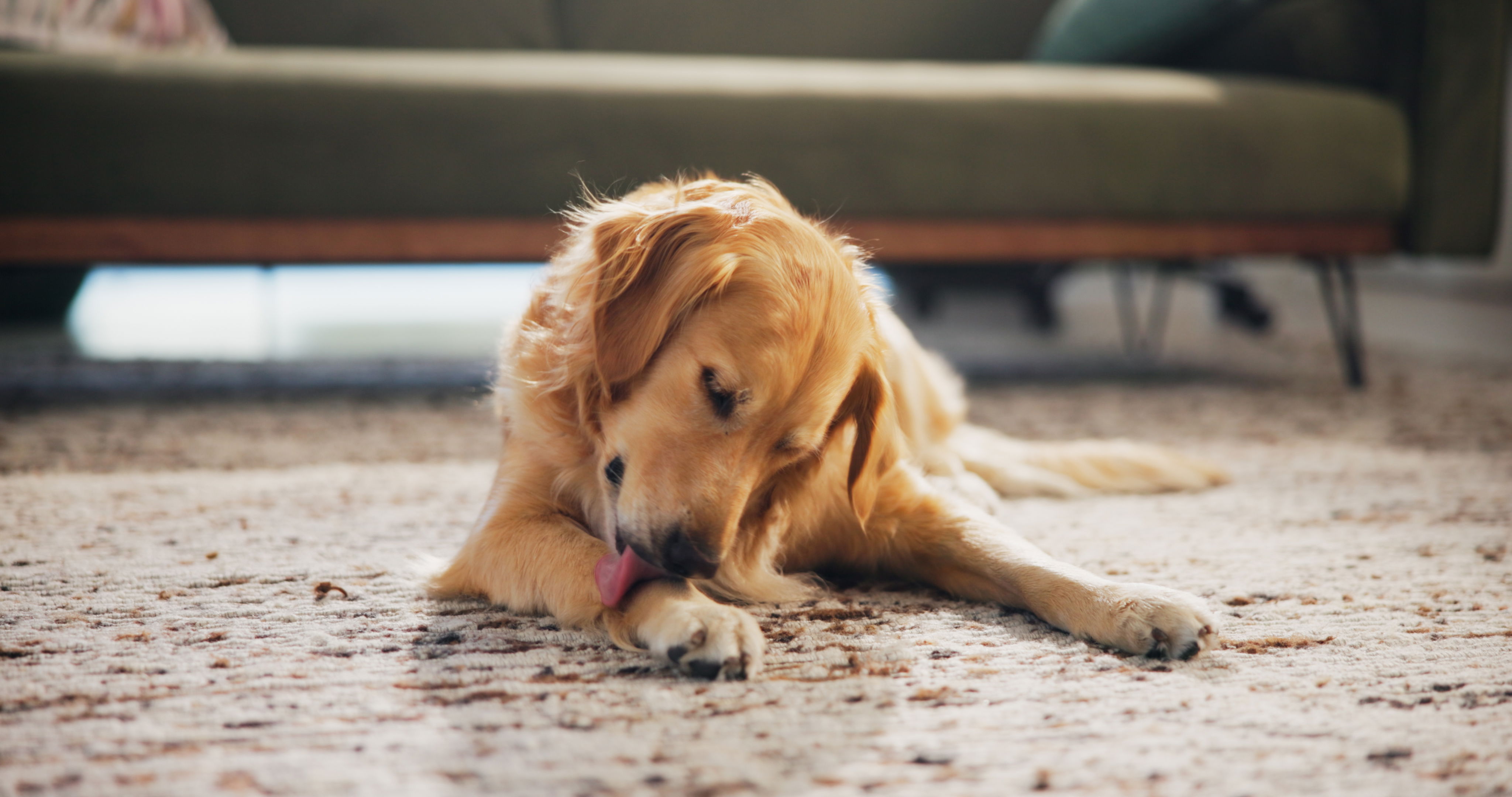
- Excessive licking.
- Chasing attention at inconvenient times.
- Sudden household mischief.
- Scavenging indoors.
- Toy destruction.
- Difficulty settling after exercise.
- Exaggerated greetings.
- Repetitive barking at the window.
- Restless pacing before bed.
- Low frustration tolerance when asked to wait.
No single clue proves boredom on its own. Together, they form a useful picture.
Some dogs also become harder to motivate because the routine has gone stale. Walk refusal is not always fear or pain.
Sometimes the route has become so predictable that the dog shows little interest until a new area appears. Others go the opposite way and drag forwards because the same walk offers too little choice.
Different behaviours, same underlying issue: the day lacks balance. Dog enrichment activities do not need to be dramatic to change this.
Simple enrichment options to refresh the routine:
- Route Variation: Take a different route on Tuesdays.
- Search Games: Scatter a few treats in the grass or hide breakfast in the garden once a week.
- Cardboard Foraging: Provide a cardboard search box at home.
- Social Balance: Alternate individual walks with social time.
- Focused Activity: Use a snuffle mat to turn a two-minute meal into fifteen minutes of activity.
A snuffle mat costs around £10–£20 and can turn a two-minute gobble into fifteen minutes of focused activity. When variety is practical, owners keep using it and the dog benefits from a routine that keeps moving instead of going stale.
How to prevent dog boredom in daily routines
Learning how to prevent dog boredom starts with looking at the whole day, not just one walk. A morning without any engagement followed by a late-afternoon outing leaves the dog idle for too many hours.
Break the day into smaller blocks: a short sniff walk in the morning, a food puzzle at midday, and a more varied walk or social session in the afternoon. Feeding is one of the easiest places to add mental stimulation.
Swap the bowl for a slow feeder, scatter kibble in the garden, or stuff a Kong with a mix of wet food and biscuits and freeze it overnight. These small additions help prevent dog boredom naturally by tapping into the dog's foraging instincts without any extra cost or scheduling.
Toy rotation also makes a difference. Rather than leaving every toy on the floor, keep three or four available and swap them weekly.
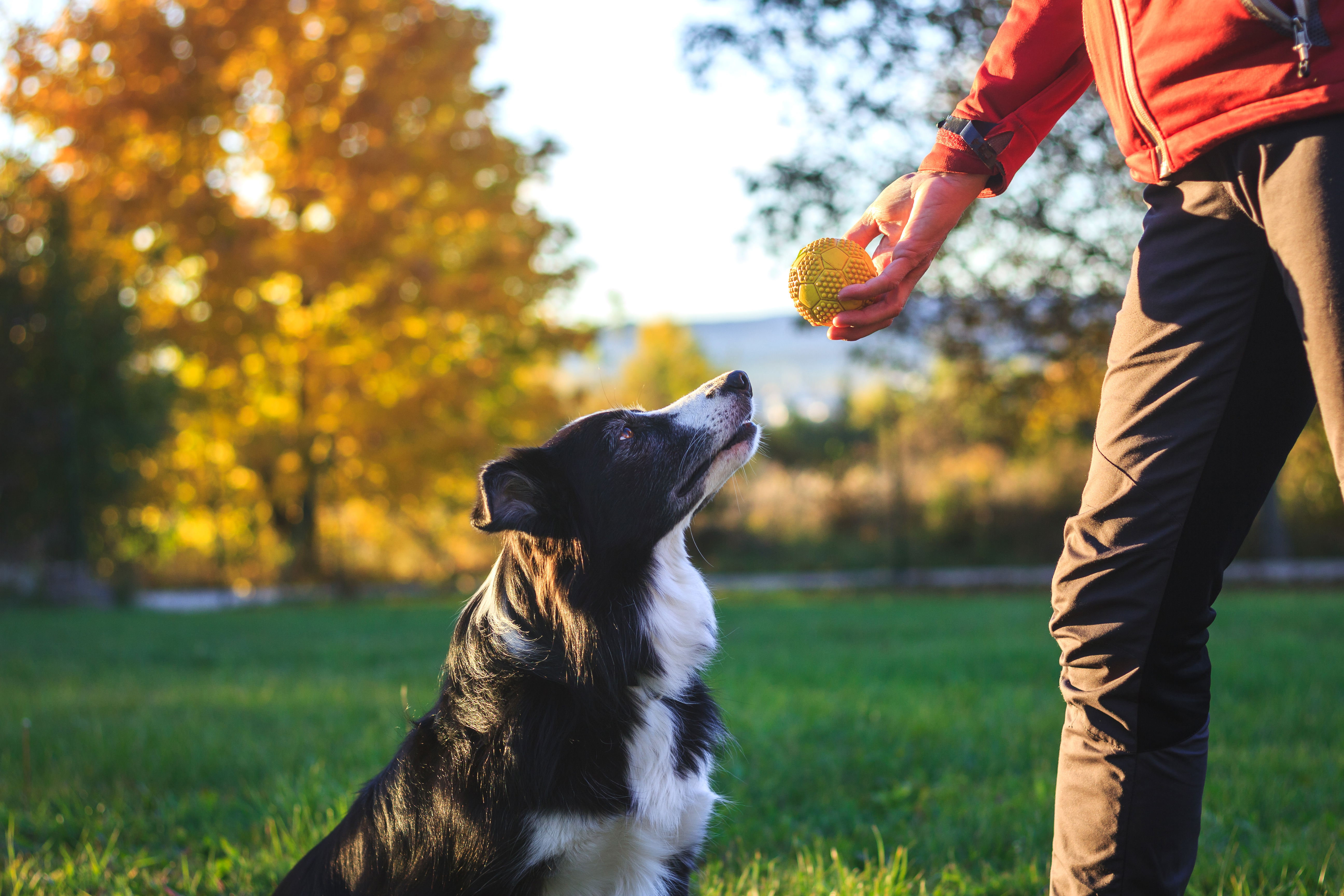
Items that felt dull suddenly become interesting again. For working breeds like Border Collies, Labradors, or Spaniels adding a brief five-to-ten-minute training session each day can satisfy the need for a mental challenge.
Change the routine before these habits become entrenched
Once boredom behaviours start working for the dog, they become habits. That does not make them permanent, but it does mean owners should act sooner rather than later.
Begin with one change at a time and track the result. Increase sniffing time, rotate routes, shorten overstimulating walks, or add a simple search game after breakfast.
Improvement often comes from steady adjustments, not from a single big gesture. If you keep seeing signs of boredom in your dog despite trying new toys, look at the whole schedule instead of adding more objects.
The answer may be better pacing, calmer handling, or support during the middle of the day. For owners in London, Sauro Active Paws can help shape structured dog walks that leave dogs genuinely satisfied.
Home life becomes calmer and the warning signs fade before they turn into long-term habits. The aim is not constant entertainment.
Dogs also need sleep, predictability, and quiet time. What matters is that the active parts of the day feel satisfying enough that the dog can switch off afterwards instead of inventing work at home.
How our daily walks help prevent dog boredom
I believe daily walks are most effective when they offer three things: relief, information, and agency. Relief means the dog can move, toilet, and decompress.
Information means there are smells, textures, and mild novelty to process. Agency means the dog has safe moments to choose its pace, direction, or a scent to explore.
When all three are present, the walk reduces frustration instead of simply postponing it. This is why many owners see improvement after adding our structured walks for their dog.
My Professional Services in London (NW2):
- Puppy Care: Tailored support for the youngest members of your family.
- Individual Walks: Personalized attention for dogs that need specific pacing (generally £15 to £25 per hour).
- Group Walks: Social sessions tailored to temperament (typical cost between £10 and £18).
I keep sessions matched to what the dog actually needs rather than following a one-size-fits-all route. A good walker notices when the dog needs space, when the route has become stale, and when social exposure is helping or hindering.
Small adjustments often produce noticeable improvements. The dog chews less, rests better, and becomes easier to live with because the day finally feels satisfying.
Professional support helps because another set of eyes can see where the routine has flattened out. We may notice that the dog lights up on grassy detours, copes poorly with crowded paths, or needs a calmer pace after busy mornings.
Those small observations make prevention far easier and support dog wellbeing over the long term.
FAQ
Can boredom cause destructive behaviour?
Yes. Chewing, shredding, and scavenging are common ways dogs create stimulation when the routine feels empty. Look at the full pattern rather than one isolated incident.
How quickly can a better routine reduce boredom?
Some owners notice small changes within days, especially in settling and attention seeking. More ingrained habits usually take longer because the dog needs time to learn a different pattern.
Can structured dog walks reduce boredom?
Yes. Structured walks that include sniffing time, route variety, and calm handling address both physical and mental needs, which is far more effective at reducing dog boredom signs than a long, repetitive outing.